How to Master Are Garden Snakes Harmless Step by Step
As an Amazon Associate we earn from qualifying purchases. Guides are for general information; always check your owner's manual and consult a qualified mechanic when unsure.
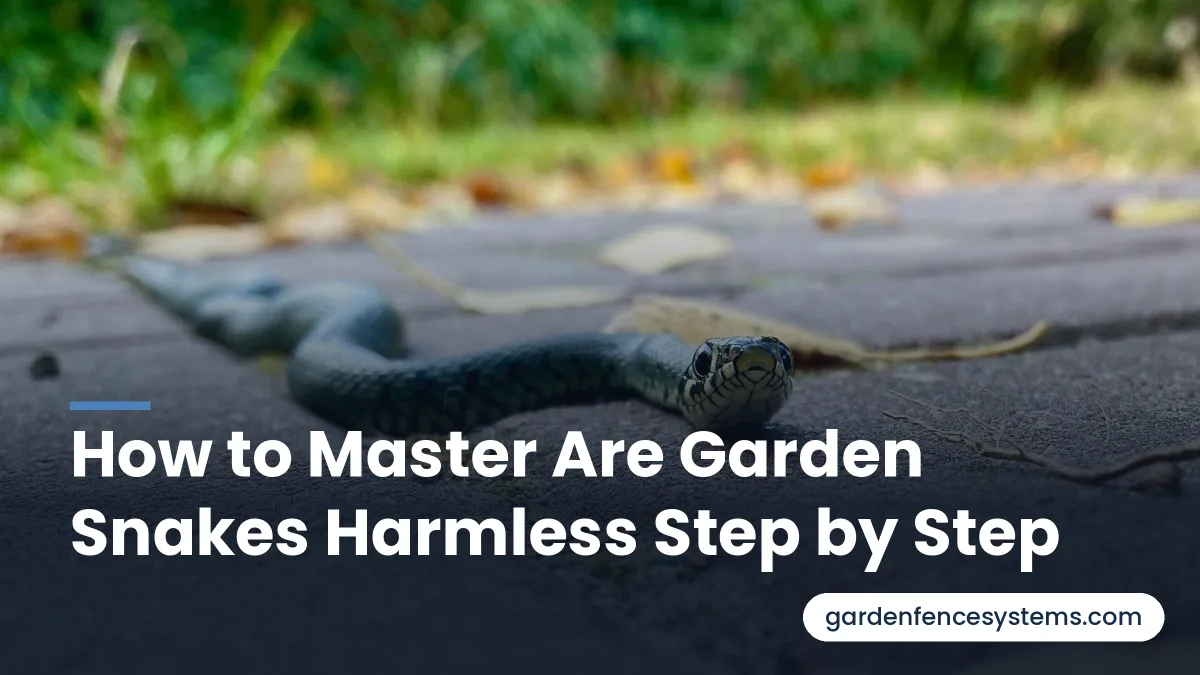
Many folks ask: are garden snakes harmless. The short answer is yes, most are. You find them in yards and gardens daily. They help keep pests low. Garter snakes and rat snakes fit this group. They pose little risk to you. This guide will help you learn more.
Watch them from a safe distance. Most snakes want to flee. They will not chase you. Give them room and they leave you alone. A calm yard helps both sides.
Are Garden Snakes Harmless: What Homeowners Need to Know First
When you ask are garden snakes harmless, you need facts. Most garden snakes are non-venomous. They will not kill you. Their bite may break skin. But it rarely causes serious harm. The real risk comes from panic. A scared snake may strike fast. Stay still and let it move on. Always follow official safety and maintenance guidelines for best results.
Some non-venomous snakes mimic venomous ones. This confuses many people. The hognose snake flattens its head. It hisses loud and fake. It looks like a viper. But it is a gentle snake. Know your local species well.
- Non-Venomous Bite: Rarely breaks skin or draws blood.
- Mimicry: Some harmless snakes copy venomous looks.
- Defensive Posture: Hissing and coiling is a bluff.
- Musk Secretion: Many snakes release a foul smell to deter threats.
- Habitat: Garden snakes love tall grass and damp spots.
Identifying Common Garden Snake Species and Their Actual Risk Level
You need to know who lives in your yard. Garter snakes are the most common. They are thin and small. They eat bugs and slugs. They are very helpful in gardens. Rat snakes grow much larger. They can reach four feet long. For complementary picks and expert testing advice, see our guide on Are Black and Yellow Garden Spiders Poisonous.
They climb trees to find bird eggs. King snakes are bold hunters. They eat venomous snakes like copperheads. Milk snakes have bold red bands. People often mistake them for coral snakes. That mistake causes fear where none is needed.
Each species has a different risk level. A garter snake is low risk. A copperhead is high risk. You must tell them apart. Look at the head shape. Venomous snakes have flat, triangle heads. Non-venomous ones have narrow, rounded heads. Eye shape also gives clues. Venomous snakes have a pit between eye and nose. Learn these signs well.
- Garter Snake: Thin, small, and very common in gardens.
- Rat Snake: Larger, climbs well, and eats rodents.
- King Snake: Bold predator of other snakes, including venomous ones.
- Milk Snake: Red bands with black and yellow rings.
- Hognose Snake: Upturned snout, plays dead when stressed.
How to Safely Coexist with Non-Venomous Snakes in Your Yard
Living with garden snakes works well. You just need a few habits. First, keep your grass short. Tall grass hides snakes and their prey. Mow often and clear brush piles. Remove wood stacks near your house.
These spots attract mice and snakes. Second, seal gaps in your home. Check doors and window screens. A small hole lets snakes in. Use solid fencing at the base. This keeps them out of play areas.
If you spot a snake, stay calm. Do not try to grab it. Use a broom to guide it out. Point it toward the yard. Most snakes leave on their own. If a snake stays for days, call a pro. A local wildlife control expert can help. They know how to move snakes safely. You should never use poison. It kills snakes and hurts pets too.
- Short Grass: Reduces hiding spots and prey for snakes.
- Seal Gaps: Check doors, windows, and foundation cracks.
- Remove Debris: Clear wood piles and tall brush.
- Use a Broom: Gently guide a snake outside if indoors.
- Call a Pro: Contact wildlife control for persistent visitors.
Venomous Look-Alikes: When a Garden Snake Is Not Harmless
Some non-venomous snakes copy the looks of dangerous ones. They do this to scare off predators. This trick is called mimicry. It can fool you fast.
Water snakes often get mixed up with cottonmouths. Both like wet spots near ponds. Water snakes have bands that look like a cottonmouth’s. But their heads are slimmer. They also lack the thick neck of a cottonmouth.
Hognose snakes spread their necks flat when scared. They hiss and fake strikes. This looks a lot like a cobra. They even play dead if that fails. They are not venomous, but they sure act like it.
- Copperhead Bands: Thick bands on a light body can signal a copperhead. True garden snakes show thin stripes or spots.
- Head Shape: A triangular head often points to a viper. Non-venomous snakes have rounded heads that blend into the body.
- Pupil Shape: Venomous snakes show vertical cat-like pupils. Harmless ones have round pupils like a human eye.
- Heat Pits: Pit vipers have deep pits between the eye and nostril. Garden snakes lack these sensory holes entirely.
- Scales: Keeled scales give a rough, bumpy texture. Smooth scales point to a non-venomous king snake or milk snake.
You can’t always tell a venomous snake from a safe one by looks alone. A misread snake can lead to a deadly mistake. If you spot a snake you can’t name, keep your distance.
Preventing Snake Encounters and Responding to a Bite
You can cut down on snake visits with simple yard work. Tall grass gives snakes hiding spots. They hunt mice and rats there too. Keep your lawn mowed low and clear. Stack wood piles far from your home’s walls.
Seal gaps under sheds and porches. Snakes slip through tiny cracks. Use 1/4-inch mesh hardware cloth for fencing. This blocks entry without blocking light or air flow.
If a snake bites you, stay calm. Panic speeds up your heart and blood flow. That can spread venom faster through your body. Do not try to suck out the venom. Do not cut the wound or apply a tourniquet.
- Wash the Bite: Clean the wound gently with soap and water. This lowers the risk of infection right away.
- Immobilize the Limb: Keep the bitten arm or leg still. Splint it if you can. Movement pushes venom toward your heart.
- Note the Time: Write down when the bite happened. This helps doctors track the spread of venom later.
- Call Emergency Services: Dial 911 or your local emergency number fast. Tell them a snake bit you and where.
- Go to the ER: Even if the bite seems mild, get checked. Some venom effects take hours to show up fully.
Many venomous bites are “dry bites.” The snake releases no venom. But you can’t tell that on your own. Always treat a bite as a real emergency.
Expert Guidance From Herpetologists on Garden Snake Safety
Herpetologists study reptiles and amphibians. They spend years learning snake behavior up close. Their advice cuts through fear with hard facts. Most garden snakes want nothing to do with you.
Dr. Whit Gibbons, a noted herpetologist, often shares a key point. He says snakes bite only when they feel trapped or threatened. A snake that has room to flee will almost always flee. Giving them a clear escape path keeps you both safe.
Herpetologists also stress that killing snakes backfires. Dead snakes attract scavengers that bring rats and raccoons. Those animals can cause more yard damage. Plus, many garden snakes eat pest insects and rodents for you. They are free helpers that keep your yard balanced.
- Learn Local Species: Know the 3 to 5 snakes in your area. A field guide or local wildlife group can help you learn them.
- Teach Kids Early: Show children to stop and watch from a safe distance. Never let them grab or poke at any snake.
- Use a Hook: Wildlife pros use a snake hook to move snakes gently. It keeps hands far from the head and mouth.
- Call for Help: Reach out to wildlife control or a herpetological society. They can safely remove a snake from your property.
- Respect the Role: A garden snake eats slugs, crickets, and mice. That free pest control saves you money and worry over time.
When you ask, “are garden snakes harmless,” the full answer matters. Most are harmless. But knowing the rare venomous look-alike keeps you sharp. That mix of respect and awareness is the real key to safety.
Comparing Venomous and Non-Venomous Garden Snakes
How to Build a Snake-Smart Yard That Deters Unwanted Visitors
A snake-smart yard starts with simple changes. You want to make your yard less inviting to snakes. The goal is not to harm them. It is to guide them to wilder areas. This section gives you a step-by-step plan. For complementary picks and expert testing advice, see our guide on Are Ants Bad for Garden Beds Tips and Best Practices.
Start with your lawn. Mow it often. Keep grass short. Tall grass holds moisture. It draws in frogs and mice. Those are snake snacks. Short grass removes their hiding spots. Aim to mow once a week during the growing season.
Next, tackle your mulch beds. Mulch is great for plants. But it also holds heat and moisture. Snakes love that warmth. Use a thinner layer of mulch. Keep it at least two feet from your home’s base. Switch to crushed stone or gravel in problem zones.
Now look at your water features. Bird baths and ponds attract snakes. They come for the drink and the prey. Keep bird baths shallow. Change the water every two days. This stops mosquitoes too. For ponds, add a gentle slope. This lets small animals escape if they fall in.
Finally, manage your garden edges. Dense shrubs touch the ground. They create cool, hidden paths. Trim back bushes so air flows through. Space plants wider apart. This reduces the cover snakes need to feel safe near your home.
- Mow Weekly: Short grass removes snake hiding spots and prey.
- Thin Mulch: Keep mulch thin and away from your foundation.
- Manage Water: Use shallow bird baths and change water often.
- Trim Shrubs: Space plants apart to reduce ground-level cover.
- Use Gravel: Crushed stone deters snakes from certain zones.
What to Do When a Snake Won’t Leave Your Property
Sometimes a snake stays for days. It may rest under a deck. Or it might coil in a shed corner. This can feel very stressful. But you have options before calling for help.
First, stop going near it. Give the snake a wide berth. Block off the area with a chair or box. This stops pets and kids from getting close. Watch from a window if you can.
Second, make the spot less appealing. Snakes like cool, dark, quiet places. Put a bright light near the spot. Place a bowl of warm water nearby. The light and warmth can encourage it to move on its own.
Third, set a trap if the snake is inside. Use a glue trap designed for snakes. Place it near the snake’s path. Check it often. Once the snake is stuck, carefully slide a board under it. Carry the board to a wooded area. Release the snake there.
If these steps fail, call a pro. A licensed wildlife removal expert knows local laws. They can move the snake without harm. They also check for more snakes nearby. Always choose a pro with good reviews and a license.
- Keep Distance: Block off the area and watch from far away.
- Change the Environment: Use light and warmth to encourage it to leave.
- Use a Glue Trap: Capture the snake safely on a board.
- Release Properly: Move the snake to a wooded area far away.
- Call a Pro: Hire a licensed expert for stuck or indoor snakes.
Understanding Snake Behavior: Why Garden Snakes Enter Your Yard
Snakes do not wander into yards by chance. They follow food, water, and shelter. Understanding their motives helps you stop them. It also helps you stay calm when you see one.
Food is the top draw. Rats, mice, and voles visit yards for bird seed and trash. A snake will follow them. If you feed birds, use a tray with no spillover. Store pet food in metal bins. Take trash cans to the curb on pickup day only.
Water is the second draw. Leaky hoses and spigots create puddles. These puddles draw in frogs and slugs. Snakes eat these creatures. Fix dripping faucets fast. Make sure your downspouts drain away from your home. For complementary picks and expert testing advice, see our guide on Are Ants Bad for Garden.
Shelter is the third draw. A snake needs a safe place to rest. Rock piles and old logs offer perfect spots. Even a pile of leaves can work. Clear these items from your yard edge. Keep your garage door sealed tight at night.
Season matters too. Snakes are most active in warm months. They emerge from brumation in spring. Brumation is like hibernation for cold-blooded animals. You may see more snakes in early summer. They are searching for mates and food. This is when encounters peak.
- Food Sources: Rodents and insects draw snakes to your yard.
- Water Access: Leaky spigots and bird baths attract snakes.
- Shelter Needs: Logs, rocks, and debris offer hiding spots.
- Brumation: Snakes emerge in spring and seek mates and meals.
- Warm Months: Most snake activity peaks in summer.
Common Questions About Garden Snake Safety
Are Garden Snakes Harmless to Pets Like Dogs and Cats?
Most garden snakes pose no real threat to pets. Non-venomous ones will try to flee a dog or cat. A scared snake may release a foul musk or nip in self-defense. But that bite rarely breaks skin or causes harm. You still want to watch pets closely in tall grass. A venomous bite is a different, urgent story.
What Should I Do If I Find a Snake in My Garage?
- Stay Calm: Stay calm and open a door or window to the outside.
- Leave the Room: Leave the room and give the snake a clear path out.
- Do Not Try: Do not try to sweep it with a broom.
- Trapped Snake Feels: A trapped snake feels cornered and may strike.
- If It Won’t: If it won’t leave, call a local wildlife control expert.
- They Have Tools: They have tools and training to remove it safely.
Can Garden Snakes Harm Children in the Yard?
Non-venomous garden snakes almost never hurt children. They are more scared of little ones than the other way around. Still, teach kids to stop and watch from a distance. No grabbing, poking, or trying to pick them up. A simple rule keeps playtime safe and calm for everyone.
How Do I Tell If a Snake Bite Is Venomous?
Venomous bites often cause quick swelling, pain, or bruising. You may see two distinct fang marks. Non-venomous bites usually show a U-shaped row of small teeth marks. But you should never guess. Treat every bite as venomous and seek medical help fast.
Do Garden Snakes Help Control Pests in the Yard?
Yes, they do. Garter snakes and rat snakes eat slugs, crickets, and mice. A single snake can clear dozens of pests each week. That means fewer bugs in your garden and less mouse damage. Letting them live is a smart, chemical-free way to manage yard pests.
| Feature | Venomous Look-Alikes | Common Garden Snakes |
|---|---|---|
| Head Shape | Triangular, wide, distinct neck | Rounded, blends into body |
| Pupils | Vertical, cat-like slits | Round, like a human eye |
| Scales | Keeled or smooth, varies | Keeled, often glossy |
| Bands | Thick bands, uniform width | Stripes, spots, or solid |
| Behavior | Holds ground, displays | Flees, hides, musks |
Final Thoughts and Next Steps
So, are garden snakes harmless? The short answer is yes, for most people and most yards. The common species you meet are non-venomous helpers. They eat insects, rodents, and slugs that damage your plants. A little respect goes a long way toward peaceful coexistence.
But you must stay alert for venomous look-alikes. Learn the key differences in head shape, pupils, and bands. Keep your yard trimmed and gaps sealed. Teach kids and pets to give snakes space. These simple steps let you enjoy your garden without fear. Stay informed, stay cautious, and let the garden snakes do their quiet work.