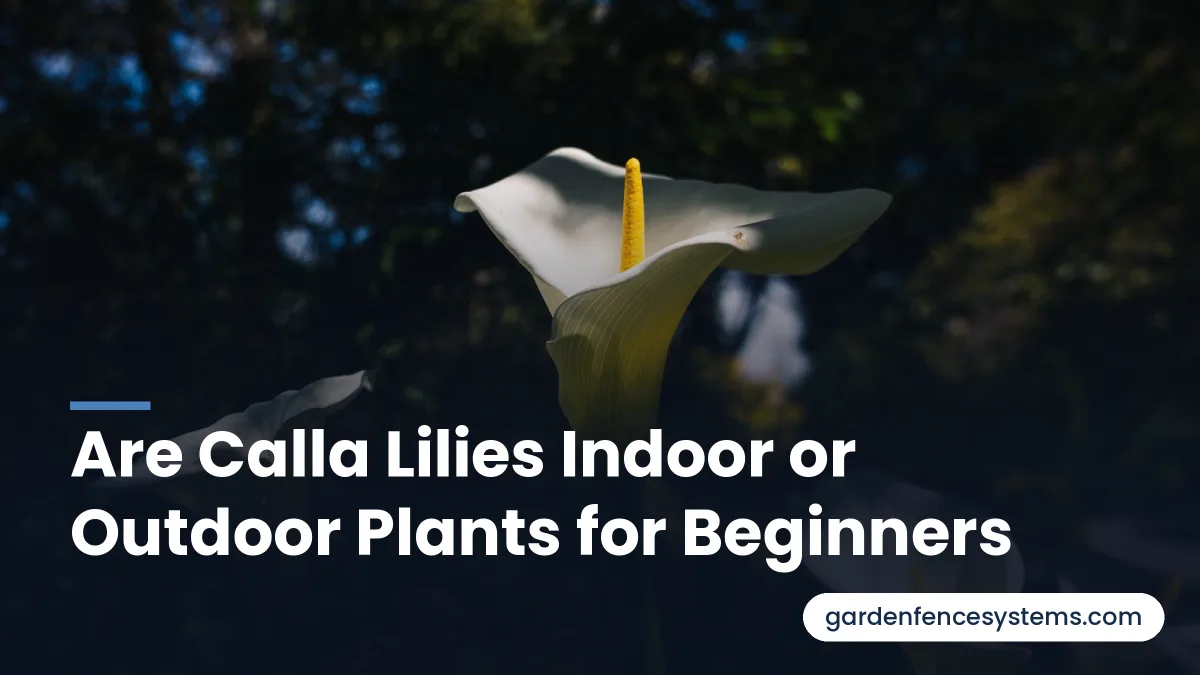
Are Calla Lilies Indoor or Outdoor Plants for Beginners
As an Amazon Associate we earn from qualifying purchases. Guides are for general information; always check your owner's manual and consult a qualified mechanic when unsure.
The answer depends on where you live. Calla lilies grow well in both settings. They adapt to many conditions with care. Always follow official safety and maintenance guidelines for best results.
These plants bring bold blooms to any space. You can grow them inside or outside with ease. The right choice hinges on your climate and light. We will help you pick the best spot. So, are calla lilies indoor or outdoor plants? They can be both. Your zone, soil, and season guide the call. Let us walk through the key factors.
Your local frost dates drive the big decision. In warm zones, you can plant them right in the ground. In cold zones, pots work best. You move them indoors when temps drop.
Applying these proven insights on are calla lilies indoor or outdoor plants helps you avoid costly mistakes. Calla lilies grow from rhizomes under the soil. These thick roots store energy for next year. They need a rest period in winter. This dormancy stage matters for future blooms.
Some gardeners treat them as seasonal patio plants. Others keep them as permanent houseplants. Both paths lead to success with the right care. The goal is matching the plant to your space.
Climate and Hardiness Zone Criteria for Calla Lily Placement
Climate sets the rules for calla lily placement. Warm, mild zones offer the most freedom. Cold zones demand extra steps to protect plants. Let us break down what matters most.
Calla lilies love heat and humidity. They grow wild in South Africa’s warm summers. Their ideal temps range from 60 to 80°F. Below 50°F, growth slows and damage starts. For complementary picks and expert testing advice, see our guide on Are Alocasia Indoor or Outdoor Plants for Beginners.
Your USDA hardiness zone tells the story. In zones 8 through 10, plants survive winter in the ground. Mulch adds a layer of winter protection. In colder zones, you must lift rhizomes each fall.
- Zone 8-10: These zones allow in-ground planting year-round. Mild winters keep roots alive underground.
- Zone 7 and Below: Grow in pots and move indoors. Rhizomes need dry storage during dormancy.
- Frost Threshold: Even a light frost harms leaves. Blackened leaves signal immediate plant stress.
- Soil pH: They prefer slightly acidic to neutral soil. A pH of 6.0 to 6.5 works best.
Soil heat drives early growth in spring. Wait until soil warms above 60°F before planting outside. Cold, wet ground invites root rot and fungal issues. A simple soil thermometer helps you time it right.
Rainfall patterns also shape your care routine. In dry climates, calla lilies need regular watering. In humid zones, they need less water and good air flow. Adjust your watering to match local rain patterns.
Wind exposure also plays a quiet role. Strong gusts tear broad leaves and dry out soil fast. A windbreak of shrubs or a fence helps a lot. It keeps the microclimate stable around the plant base.
Urban heat islands can shift your zone slightly. City buildings radiate warmth at night. This can let you push the zone by one step. But do not count on it for hard freezes.
Indoor Growing Conditions That Determine Success or Failure
Growing calla lilies indoors works well with the right setup. Light, water, and pot size make or break indoor plants. Many gardeners bring them inside to extend the season.
Indoor calla lilies need bright, indirect sunlight. A south-facing window gives strong light without burning leaves. East or west windows also work with some adjustment. Dark corners lead to weak stems and no blooms.
Watering indoor plants requires a careful hand. Let the top inch of soil dry between waterings. Overwatering causes root rot, the top indoor killer. Use pots with drainage holes to let excess water escape.
- Pot Size: Choose a container 2 inches wider than the rhizome. Too much soil stays soggy and invites rot.
- Humidity Levels: Dry indoor air causes brown leaf tips. A pebble tray adds moisture around the plant.
- Temperature Range: Keep indoor temps between 65 and 75°F. Cold drafts from windows harm the foliage.
- Fertilizer Schedule: Feed with a balanced liquid fertilizer every two weeks during active growth in spring and summer.
Indoor plants also need a rest period each year. After blooms fade, cut back on water slowly. Let the leaves die back naturally. This dry rest triggers next season’s flower bud formation.
Some gardeners force rhizomes into early indoor growth. Starting them in pots in late winter works well. You gain weeks of bloom time this way. Move the pots outside once all frost risk passes.
Are calla lilies indoor or outdoor plants for you? Start by checking your light and temp conditions. A simple spot check solves most placement puzzles.
Watch for pests like spider mites indoors. They love dry air and warm rooms. Spray leaves with water once a week. This keeps mites away and boosts humidity too. Isolate any plant that shows white webbing.
Outdoor Garden Scenarios Where Calla Lilies Thrive Best
Calla lilies love warm, humid spots. They grow best in zones 8 through 10. These areas have mild winters and hot summers. You will see them shine near ponds and streams. Their roots stay cool in damp soil. Full sun works in cooler parts of the range. But partial shade keeps blooms fresh in hot climates.
Rich, loose soil makes a big difference. Add compost to feed the roots. The soil must drain well. Soggy ground causes rhizome rot fast. A raised bed helps fix this problem. You can also grow them in large pots outside.
- Pond Edges: They love the wet soil near water. The leaves stay lush and green. Blooms last longer in this setting.
- Shade Gardens: Dappled light stops leaf scorch. The white or colored spathes stay clean. This setup works in hot zones.
- Container Patios: Big pots give roots room. You can move them for rain or sun. This setup is very flexible.
- Mixed Borders: Pair them with ferns and hostas. The broad leaves add a lush backdrop. The tall flower stalks add height.
- Warm Microclimates: South-facing walls radiate heat. This creates a cozy spot for them. They bloom longer in these zones.
Calla lilies pair well with other moisture lovers. Think of iris, ferns, and impatiens. These companions share the same water needs. They also create a lush layered look. The contrast in leaf shapes adds visual depth.
In coastal gardens, salt spray can be a risk. Rinse leaves with fresh water after storms. This washes off salt and keeps pores open. A light mulch layer also shields roots from spray.
Seasonal Transition Strategies for Moving Calla Lilies Indoors and Out
Moving calla lilies indoors and out needs care. You must watch the frost dates closely. Cold nights can kill the foliage fast. A hard freeze damages the rhizome below ground. So timing is the most key factor.
Start the move when nights drop below 50°F. Lift the rhizomes with a garden fork. Shake off loose soil and let them dry. Store them in a cool, dark spot. A basement or garage works well. Keep them dry until spring warmth returns.
When you move them back outside, wait. Do not rush this step. Night temps must stay above 50°F. Set them in shade at first. Move them to their spot over a week. This eases the shock of the change.
- Frost Date Check: Track your local last frost. Use this to plan your move out date. A soil thermometer helps too.
- Gradual Sun Shift: Start plants in shade outdoors. Move them to their final light spot over days. This prevents sunburn on leaves.
- Clean Inspection: Check rhizomes for rot or pests. Trim any soft or dark spots before storage. A clean cut heals faster.
- Dry Storage: Keep rhizomes in peat or paper bags. Store them at 50°F to 60°F. Check them once a month.
- Spring Wake-Up: Replant rhizomes when soil hits 65°F. Water them lightly at first. New growth appears in two to four weeks.
Label each pot or bag with the date. This helps you track dormancy length. It also stops you from forgetting where you stored them. A small notebook works well for this task. For complementary picks and expert testing advice, see our guide on How to Master Are Begonias Indoor Plants Step by Step.
Common Placement Mistakes and How to Avoid Them
Many growers place calla lilies in the wrong spot. They pick a sunny patio with no shade. The strong sun scorches the leaves fast. This leaves brown, crispy edges on the foliage. You must match the plant to its light needs.
Another big mistake is poor drainage. People plant them in low, flat ground. Water pools around the rhizome and causes rot. You also see folks skip the winter move indoors. They leave the plants out in the cold. The rhizome freezes and dies in the soil. Both errors lead to lost plants each year.
Some gardeners use the wrong soil mix. Heavy clay holds too much water. You need a light, airy blend for success. Adding perlite or coarse sand fixes this. It keeps the roots healthy and safe.
- Wrong Light Level: Full sun in hot zones burns leaves. Pick a spot with morning sun and afternoon shade. This keeps the blooms fresh longer.
- Soggy Soil: Clay soil traps water around roots. Mix in compost and perlite to improve drainage. Roots need air to stay healthy.
- Skipping Winter Move: Outdoor plants die in frost. You must lift rhizomes before the first freeze. Store them dry in a cool spot.
- Cold Water Shock: Cold tap water shocks the roots. Let the water sit out overnight before use. Room temp water is much safer.
- Crowded Pots: Small pots limit root growth. Use a container at least 12 inches wide. This gives the rhizome room to spread.
Over-fertilizing is another hidden danger. Too much salt builds up in the soil. This burns the roots and browns the tips. Flush the pot with plain water once a month. It washes out excess minerals and keeps roots safe.
Indoor vs Outdoor Calla Lily Care Compared
- Indoor Care: Indoor care gives you more control over water and light.
- Adjust the Pot: You can adjust the pot spot each day.
- Outdoor Plants Face: Outdoor plants face more weather swings.
- They Deal: They deal with wind, rain, and direct sun.
Indoor plants need less fertilizer. They grow slower in lower light. Outdoor plants push out fast in warm weather. They need more food to support big blooms.
Pests differ between the two settings too. Indoor plants face fungus gnats and spider mites. Outdoor plants deal with slugs and aphids. Each setting needs its own watch plan.
| Care Factor | Indoor Care | Outdoor Care |
|---|---|---|
| Light | Bright indirect sun | Morning sun, afternoon shade |
| Water | Let top inch dry | Keep soil moist but not wet |
| Soil | Well-draining pot mix | Rich, loose garden bed mix |
| Temperature | 65-75°F stable | 60-80°F with shade in heat |
| Winter | Dry rest indoors | Lift rhizomes in cold zones |
Common Questions About Calla Lily Placement
Can You Keep Calla Lilies Outdoors Year-Round?
You can only keep them out year-round in zones 8-10. These areas do not get hard freezes. The soil stays warm enough to protect the rhizome. In colder zones, you must lift them each fall. Moving them indoors or storing the rhizomes saves the plant.
What Happens If You Leave Calla Lilies Outside in Frost?
- Frost Kills: Frost kills the leaves and stalks right away.
- But the Real: But the real damage hits the rhizome below ground.
- Ice Crystals Form: Ice crystals form inside the plant tissue.
- This Ruptures: This ruptures the cells and causes rot.
- Lose the Entire: You will lose the entire plant to a hard freeze.
Do Calla Lilies Grow Better in Pots or in the Ground?
Both work well if you match the setup to your climate. Pots give you control over soil and water. They also make it easy to move plants indoors. In-ground planting works best in warm, humid zones. The ground holds moisture and keeps roots cool.
How Do You Know If Your Calla Lily Is Getting Too Much Sun?
Watch for white or brown scorch marks on leaves. The edges may curl and dry out fast. Blooms may fade or drop early in the day. This is a clear sign of too much light. Move the plant to a spot with dappled shade.
Are Calla Lilies Indoor or Outdoor Plants in Your Climate?
The answer depends on your zone and winter lows. In zones 8-10, they are outdoor plants for most of the year. In colder zones, you treat them as seasonal indoor plants. You grow them outside in summer and move them in for winter. This cycle keeps the plants healthy and blooming.
Can You Grow Calla Lilies in Water Alone?
Yes, you can grow them in a vase of water. This works well for a short display. The roots stay hydrated and clean. But you must change the water often. Stale water breeds bacteria and smells bad.
Do not leave them in water for months. They still need a rest period. After the show ends, move them to a pot. Let the leaves die back naturally. This resets the plant for next year.
What Is the Best Soil Mix for Calla Lilies?
A light, airy mix works best. Use two parts peat or coco coir. Add one part perlite or coarse sand. Mix in a handful of compost for food. This blend drains well but holds some moisture.
Avoid heavy garden soil in pots. It compacts and blocks air to roots. You can also buy a quality potting mix. Just check that it has perlite already in it.
How Long Do Calla Lilies Bloom Indoors?
Indoor blooms last four to six weeks. Good light and steady care extend this time. Keep the plant away from heat vents. Dry air from heaters shortens bloom life. For complementary picks and expert testing advice, see our guide on Are Ants in Potted Plants Harmful to Humans.
After the first bloom fades, cut the stalk. This pushes the plant to save energy. It may push out a second smaller bloom. The leaves stay green and feed the rhizome.
| Factor | Indoor Care | Outdoor Care |
|---|---|---|
| Light Needs | Bright indirect light from a south window | Morning sun, afternoon shade in hot zones |
| Water Method | Water when top inch of soil is dry | Keep soil moist near ponds or streams |
| Soil Type | Well-draining potting mix with perlite | Rich, loose garden soil with compost |
| Winter Care | Continue growing with reduced water | Lift rhizomes, store dry at 50-60°F |
| Humidity | Use a pebble tray or mist leaves | Natural ambient humidity near water features |
Final Thoughts and Next Steps
Knowing where to place calla lilies makes all the difference. You now have the tools to decide for your own garden. Your climate, light, and soil all shape the right choice. The plants will reward you with lush leaves and blooms. Start with one or two rhizomes to test your spot. Watch how they respond to their new home over a few weeks.
Small changes lead to big results with these plants. Adjust the light, water, and soil as you learn. You will see what works best in your space. The more you observe, the better your care routine becomes.
Keep notes on bloom times and growth patterns. This simple habit helps you plan for the next season. Your calla lilies will thrive when you match their needs to the right spot.
Practical Steps to Find Your Best Calla Lily Spot
Start with a simple light test. Watch your chosen spot for one full day. Note when sun hits it and for how long. This tells you if it is a true full sun or a bright shade spot.
Next, check the soil drainage. Dig a small hole and fill it with water. If it drains in under an hour, the soil is good. If it pools, you need to amend it or use a raised bed.
Then, test the soil pH with a simple kit. You can find these at any garden center. If the soil is too alkaline, add sulfur or peat moss. If it is too acid, add a little garden lime.
For indoor growers, pick the room first. Not all rooms work for calla lilies. A bright bathroom with a window is ideal. The humidity from showers helps the leaves stay lush.
Set up a small care station. Keep your watering can, fertilizer, and spray bottle in one spot. This makes the routine fast and easy. You will stay on track with less effort.
Finally, give your plant a name. This sounds silly, but it helps you notice changes. You will spot a droop or a yellow leaf faster. That early alert lets you fix problems before they grow.
- Match the Spot to Light: Bright indirect light indoors. Morning sun with afternoon shade outdoors.
- Check Drainage First: Water should drain fast. Soggy soil leads to root rot fast.
- Test Soil pH: Aim for 6.0 to 6.5. A simple kit makes this easy to track.
- Pick the Right Room: A bright bathroom or living room works best indoors.
- Set a Care Station: Keep tools in one place. This builds a steady daily habit.
- Watch and Respond: Check plants each morning. Small fixes stop big problems later.