Are Birds of Paradise Indoor Plants for Beginners
As an Amazon Associate we earn from qualifying purchases. Guides are for general information; always check your owner's manual and consult a qualified mechanic when unsure.
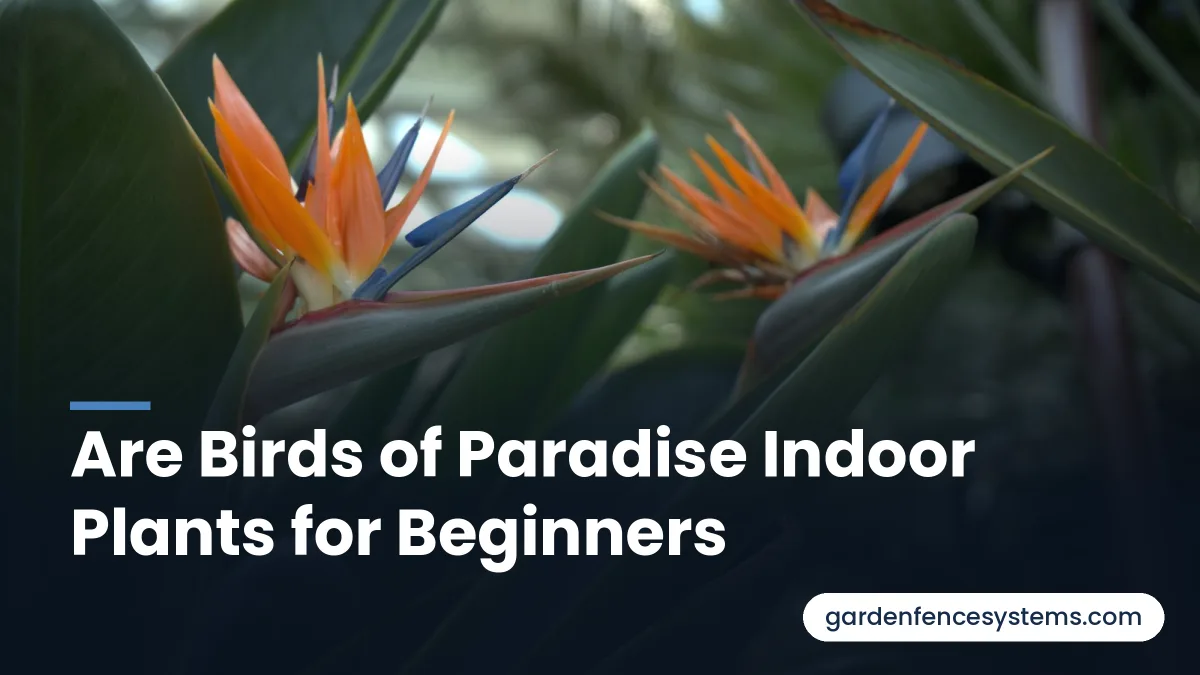
So, are birds of paradise indoor plants? The short answer is yes. But the real question is whether your home can meet their needs. These tropical plants look stunning indoors. They bring a bold, lush feel to any room.
Yet they need specific care to thrive inside. Think of them like a guest with strong preferences. They need the right light, warmth, and space. Without those, they will sulk. Always follow official safety and maintenance guidelines for best results.
Leaves may curl or turn brown. Growth slows to a halt. But given the right spot, they grow tall and proud. You can enjoy that dramatic look year-round. The key is to match the plant to your space. Not every room will work. A dark corner will fail fast. A bright, warm room will shine.
We have grown these plants in many homes. The ones that succeed share a few traits. They have a south-facing window or strong grow lights. They keep indoor temps above 65°F at night. They water with care, not on a set schedule.
If you can check those three boxes, you are in good shape. Let us walk through the decision tree. We will help you find your yes or no. You will know exactly what to fix if the answer is not yet.
Essential Guide to Are Birds of Paradise Indoor Plants: Key Insights
Light is the first make-or-break factor. Birds of paradise need bright, indirect light. A south-facing window works best. East or west windows can work too. But north windows rarely provide enough. Without enough light, the leaves stretch thin. The plant stops making new growth.
Colors fade to a pale green. You may see leaf split slow down or stop. This is the plant telling you it is stressed. Direct hot sun can burn the leaves. That shows up as brown, crispy patches. You want a bright spot with soft light. Sheer curtains can help filter harsh rays. For complementary picks and expert testing advice, see our guide on What Do Spider Plants Do for Your House for Beginners.
Heat matters just as much. These plants love steady warmth. Daytime temps of 65 to 80°F are ideal. Nighttime temps should stay above 60°F. Cold drafts from windows in winter hurt them. So do heating vents blowing directly on leaves. They do not like sudden swings. A stable indoor temp keeps them happy.
Humidity is the third piece of the puzzle. They prefer 40 to 60 percent humidity. Most homes drop below that in winter. Dry air causes leaf tips to turn brown. You can boost humidity with a pebble tray.
A humidifier nearby works even better. Grouping plants together also helps. Steam from a shower can refresh them too. Just keep them out of direct water spray.
- Light Meter: Aim for 250 to 400 foot-candles daily.
- Thermometer Check: Keep temps steady day and night.
- Humidity Tray: Set pots on a wet gravel bed.
- Draft Guard: Move plants away from cold window edges.
Here is a real-world test. Place a light meter near your window. Check the reading at noon. If it falls below 200 foot-candles, move the plant. Or add a simple LED grow light.
Set it on a timer for twelve hours. This makes up for weak window light. Many growers use a full-spectrum bulb. It costs little and fits any lamp. Just keep it six inches above the leaves.
Watch the room in winter. Windows lose heat at night. Use a draft shield to block cold air. You can tape foam board to the glass. This keeps the plant in a warm bubble. The temp near the glass can drop fast. A shield makes a big difference.
Soil, Pot Selection, and the Root-Rot Failure Points
Getting the soil and pot right stops root rot. Birds of paradise need a fast-draining mix. Heavy garden soil holds too much water indoors. You want something loose and airy. A good blend uses peat, perlite, and bark. The perlite creates tiny air pockets around roots. Bark adds structure and drains extra water. Together they keep roots breathing.
The pot must have a drainage hole. No hole means water sits at the bottom. Roots sit in that water and rot. You will see yellow lower leaves first. The plant may lean or feel soft at the base. That is a clear sign of trouble. Always check drainage before you buy a pot.
Pot size also plays a big role. Too large a pot holds excess soil. That soil stays wet too long. Roots cannot dry out between waterings. We suggest going up only one pot size. Add just 2 inches of diameter at a time.
A snug root fit helps the plant control water. It also keeps growth steady. When roots fill the pot, it is time to repot. Wait until new roots show at the drainage holes. Then move it to the next size up. Do this in spring for best results.
- Soil Mix: Use 60% peat, 20% perlite, 20% bark.
- Pot Drainage: Always check for bottom holes first.
- Water Test: Stick a finger two inches deep.
- Repot Timing: Only repot when roots circle the inside.
Let us look at a common mistake. A grower buys a big decorative pot. There is no drainage hole at all. They plant the bird of paradise inside it. Water pools at the base. Roots sit in soggy soil for days. Within weeks the roots turn brown and soft.
This is root rot. It kills the plant fast. Use a cachepot instead. Put a small pot with holes inside the big one. Remove it to water. This style keeps the plant safe.
You can also test your soil mix. Water a small batch of it in a jar. Shake it well and let it settle. The heavy parts sink fast. If the water stays cloudy, the mix holds too much moisture. Add more perlite to fix it. Aim for a mix that drains in under five seconds. That is how fast roots need it.
Feeding, Watering Rhythm, and Seasonal Dormancy Cycles
Getting the feed and water right makes or breaks your bird. These plants store water in thick roots. So they forgive a slip or two. But a set rhythm works far better than guessing each day. You need to match your routine to the seasons. Plants slow down when days get short.
- Spring Feed: Apply balanced liquid food every two weeks.
- Summer Water: Soak the soil deeply, then let it dry out.
- Fall Cutback: Reduce feeding to once a month as growth slows.
- Winter Rest: Water sparingly. The plant sleeps and needs little.
- Flush Cycle: Run water through the pot twice a year.
Dormancy is normal, not a problem. Your plant is not dying. It is just pausing to save energy. That looks like no new leaves all winter. The old leaves may yellow a bit. This is fine. Do not panic and water more. Overwatering during this rest period is the fastest way to lose it. So check the soil with your finger first. If it feels damp, hold off entirely.
Let us walk through a full year. In March, start feeding again. Use a balanced liquid mix at half strength. Apply it every two weeks. By May, the plant pushes new growth. Now you can water more. Soak the soil until water runs from the hole. For complementary picks and expert testing advice, see our guide on Vegetables to Plant in November Zone 6b for Beginners.
Then let it dry out. In August, the growth slows. Cut feeding to once a month. By November, stop feeding. Water only when the soil is dry two inches down. This cycle matches the plant’s needs. It keeps growth strong year after year.
The flush cycle is also key. Run a full watering can through the pot. Let it drain completely. Do this in spring and summer. This washes out salt buildup. Fertilizer salts can burn roots over time. A flush keeps the soil clean. You will see healthier leaves in weeks.
Common Indoor Stress Signals and How to Diagnose Them
Your plant talks to you all the time. You just need to learn its language. Yellow leaves, brown edges, and drooping stems all mean specific things. Each signal points to a different fix.
Most indoor growers see stress signs within the first year. That does not mean you failed. It means the plant is adjusting to your home. Read the signs early and you can turn things fast.
- Yellow Leaves: Usually means too much water or poor drainage.
- Brown Tips: Often signals dry air or underwatering in heat.
- Curling Leaves: Points to low humidity or strong direct sun burn.
- Drooping Stems: Shows the plant needs a deep soak right now.
- Leaf Split: Natural in good light, not a stress sign at all.
Check the soil moisture before you treat any symptom. A wet plant with yellow leaves needs dry air at the roots, not more water. A dry plant with brown tips needs humidity around the leaves, not just a drink. This one step saves many plants. Most people jump to watering first. That is the wrong move.
Diagnosis works best when you check the root zone first. Pull the plant gently from its pot. Look at the root color. White or tan roots are healthy. Black, mushy roots mean rot has set in. Cut away all the dark parts. Repot in fresh dry soil. Use a smaller clean pot. Skip water for a full week. This gives the roots a chance to heal.
Here is another tip. Take a photo of the plant each week. Compare the images over time. You will spot slow changes fast. A leaf that yellows a little each week tells a story. It points to a slow problem. Maybe the light is too weak. Maybe the room is too cold. Photos give you proof. You can act before the plant crashes.
Propagation, Repotting, and Long-Term Indoor Performance
Birds of paradise can live indoors for many years. But they do need fresh soil and a bigger pot over time. Propagation lets you make new plants from the old one. It is a fun way to expand your indoor jungle. You can share plants with friends too.
Repotting is a big stress event, so time it right. Do it in spring when active growth starts. Pick a pot just one size larger. A too-big pot holds soggy soil and invites rot. Let us break it down step by step. First, water the plant a day before. This softens the soil. Then turn the pot on its side. Slide the plant out gently.
Do not yank the stem. If it is stuck, tap the pot rim. Loosen the outer roots with your fingers. Place the plant in the new pot. Fill in with fresh soil. Press it lightly to remove air gaps. Water it once to settle the soil. Then let it rest.
- Division: Split the rhizome with a sharp knife in spring.
- Seed: Nick seeds and soak them for 24 hours first.
- New Pot: Use a heavy ceramic pot to support tall growth.
- Soil Mix: Blend peat, perlite, and pine bark for airflow.
- Recovery: Keep the repotted plant shaded for two weeks straight.
After repotting, your bird may drop a few leaves. That is normal shock. It will push out new growth in a few weeks. The plant will settle and stand tall again. Keep it out of strong light for two weeks. This helps it focus on root repair. Do not feed it during this time. Let the soil do the work.
Propagation by division is the easiest method. Find a plant that has multiple stems. Gently separate the rhizome into two parts. Each part should have some roots and leaves. Plant each one in its own pot.
Keep them moist and shaded. New growth will start in three to four weeks. This method is fast and steady. Seed propagation takes much longer. It can take months to see any sprouts. For complementary picks and expert testing advice, see our guide on Vegetables to Plant in September Zone 9a for Beginners.
Long-term success means giving the plant steady light and a steady room heat. You can keep these plants happy for decades. Just stay on top of the feeding and watering schedule. That simple care is all you need. Wipe the leaves with a damp cloth each month.
This removes dust. It also helps the plant breathe better. Clean leaves absorb more light. That means stronger growth all year.
Common Problems with Hard Water and Tap Water
Many indoor growers do not think about water quality. But tap water can cause real issues. It often contains chlorine and fluoride. Birds of paradise are sensitive to these minerals. Over time, the leaf tips turn brown. The edges look dry and crisp. This is not a watering problem. It is a water quality problem.
- Fix This: You can fix this easily.
- Use Filtered Water: Use filtered water if you can.
- Rainwater Is Also: Rainwater is also great.
- If You Use: If you use tap water, let it sit out overnight.
- This Lets Chlorine: This lets chlorine fade.
- Fluoride Does Not: Fluoride does not leave the water this way.
- So Filtered Water: So filtered water is still best.
- Also Use: You can also use a simple carbon filter.
- Attach It: Attach it to your tap.
- It Removes Many: It removes many minerals.
- Your Plant: Your plant will respond with green leaf tips.
- This Change Shows: This change shows in just a few weeks.
Another sign of bad water is white crust on the soil. This is mineral buildup. Flush the soil with rainwater or filtered water. Run it through twice. This clears the salt. Then go back to your normal schedule. Keep using better water. The plant will stay green and strong.
| Method | Best Season | Time to Root | Success Rate |
|---|---|---|---|
| Rhizome Division | Spring | 2-4 weeks | High |
| Seed Propagation | Spring | 4-8 weeks | Moderate |
| Stem Cutting | Late Spring | 3-6 weeks | Low to Moderate |
Final Thoughts and Next Steps
Indoor growing works well when you match the plant to your light and watering habits. Birds of paradise reward that care with bold leaves and even blooms. Keep the soil well-draining and the room warm and bright. Watch for stress signs early and fix them fast. You can do this.
Start by checking your brightest window and placing the plant there. Then set a simple watering schedule and stick with it through winter dormancy. Add feed during active months and repot every two years. Wipe the leaves monthly to keep them clean. Use filtered water if your tap water is hard.
With that plan, your bird will thrive indoors. Now that you know are birds of paradise indoor plants can fit your home, you have everything you need to begin.