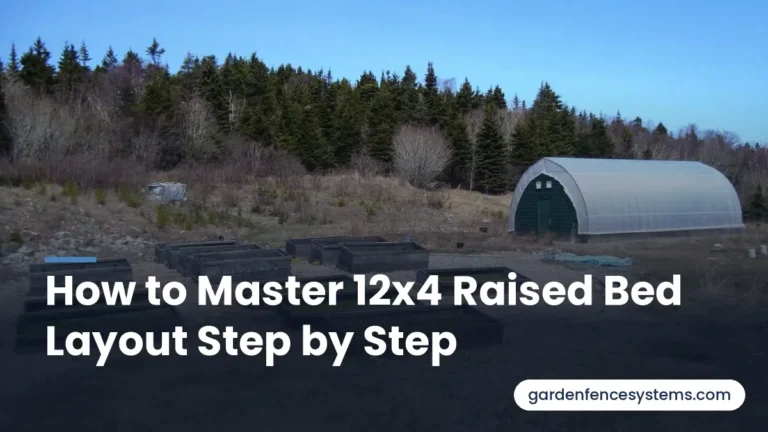
How to Master 8×4 Raised Bed Spacing Step by Step
As an Amazon Associate we earn from qualifying purchases. Guides are for general information; always check your owner's manual and consult a qualified mechanic when unsure.
An 8×4 raised bed holds a lot of plants. But space isn’t just about filling rows. It shapes how you grow, harvest, and rest. Get the 8×4 raised bed spacing wrong. You will fight weeds and poor air flow. Get it right, and your plants thrive with less work.
Good spacing starts long before you drop a seed. You must think about bed direction, walkways, and each crop’s needs. A bed that fits your body and tools feels easy to tend. A bed packed too tight will stress plants and invite disease. Always follow official safety and maintenance guidelines for best results.
We will walk through the choices that shape your layout. You will learn how orientation, paths, and crop size all play a part. This guide helps you plan with confidence from day one.
Practical Methods for 8×4 Raised Bed Spacing
Bed orientation sets the stage for 8×4 raised bed spacing. Run your long side north to south. This way, both sides of the bed catch sun for equal hours. East-west beds shade one end too early or too late. That can slow growth on the shady side.
- Start by Marking: Start by marking the bed footprint on the ground.
- Use Stakes: Use stakes and a string line to form a perfect rectangle.
- Check the Diagonals: Check the diagonals with a tape measure.
- Equal Diagonals: Equal diagonals mean your corners are square.
- Square Frame Holds: A square frame holds soil better and looks clean.
Next, think about the sun path over your yard. Watch where shadows fall at 9 a.m., noon, and 3 p.m. A north-south axis works best for most vegetables. It gives both sides of the bed full sun. But east-west beds can work for tall crops that shade others. Put those on the north end so they do not block short plants. For complementary picks and expert testing advice, see our guide on How to Master 30 Inch Raised Bed Spacing Step by Step.
Consider how you will move around the bed. Will you kneel? Use a wheel hoe? Carry a watering can? Your path layout should match your body and tools. A simple 2-foot path on each side is a strong starting point. You can always adjust based on your next season’s needs.
Path Width and Access: The Heart of 8×4 Raised Bed Spacing
Path width is the next big choice. Too narrow, and you step on soft soil. Too wide, and you lose growing space. A 2-foot path works well for most gardeners. It lets you kneel or use a hoe without touching the bed.
But 2 feet is not enough for every tool. A wheel hoe needs at least 14 inches of clearance. A broadfork or garden fork needs even more. If you plan to use a tiller or tiller tool, give yourself 3 feet. Measure your tools now. Do this before you build the frame.
Think about the center of the bed too. A 4-foot wide bed means your arms stretch 2 feet to reach the middle. That can strain your shoulders and back. Add a small stepping stone or a board across the bed if needed.
This lets you reach the center without stepping on the soil. Stepping on soil packs it down. Packed soil blocks root growth. It also drains poorly.
Some gardeners add a 3-foot path on each side. This creates a wide work zone. You can set a wheelbarrow or a seed tray there. It also lets you turn around with a full bucket. This layout works best for larger gardens with multiple beds side by side.
- North-South Axis: Keeps sun even on both sides all day.
- Two-Foot Paths: Fits most people and tools without crowding.
- Edge Planting: Use the bed edges for small greens or herbs.
- Corner Anchors: Stake corners early so string lines stay straight.
Crop-By-Crop Spacing Blueprint for an 8×4 Raised Bed
Each crop has its own space needs. A 3×8 foot bed holds a lot of plants when you plan well. Loose-leaf lettuce can sit 6 inches apart. Tomatoes need 18 to 24 inches between plants. Carrots do fine at 3 inches. But squash vines sprawl and need 3 feet or more.
Start by listing every crop you want to grow. Write down the final mature width for each one. A small seedling today becomes a wide bush in weeks. Space for the mature plant, not the baby one. This simple step prevents crowding later in the season.
Mixing tall and short plants saves space. Put tall crops like poles beans on the north end. This way, they do not shade shorter plants. You can also use the same bed for early greens and late tomatoes. Just plan your timing so roots and shade match the season.
Think about root depth too. Some plants spread wide but stay shallow. Others push deep taproots. Onions need about 3 inches of space. They have shallow roots and do not compete much. Beans and peas spread at the surface. They fix nitrogen and can feed neighbors. Carrots and beets need 2 to 3 inches. Their roots need loose soil all the way down.
Use a simple grid to map your bed. A 1-foot square grid works well for an 8×4 bed. It matches square foot gardening methods. You can fit 16 lettuce plants in one square. You can fit 9 spinach plants in another. This visual plan helps you place each crop with confidence.
- Leafy Greens: Space 4 to 6 inches for quick, dense harvests.
- Tomatoes: Give 18 to 24 inches; stake or cage them early.
- Root Crops: Thin carrots and beets to 2 to 3 inches.
- Vining Crops: Use trellises to save ground space for squash.
Soil Depth, Drainage, and Root-Zone Spacing in an 8×4 Raised Bed
Soil depth changes how close you can plant roots. Shallow beds under 8 inches limit deep crops. Carrots, daikon, and tomatoes need 12 inches or more. In a 4-foot deep bed, you can grow almost anything. Drainage ties right into root health, too.
Wet soil packs down and hurts root spread. Roots need air as much as water. If your bed stays soggy, space plants a bit wider. This lets more air move between stems. Adding compost or a well-draining soil mix helps a lot.
A mix of 60% topsoil, 30% compost, and 10% perlite works well. This ratio drains well and holds nutrients. You can adjust perlite up for extra drainage in wet zones. The right mix supports healthy roots at the right depth.
Check your bed depth before you buy plants. A 6-inch bed limits you to greens and herbs. A 12-inch bed opens the door to carrots and beets. A 16-inch bed or deeper lets you grow tomatoes and squash. The deeper the bed, the more room your roots have. More root room means stronger plants and bigger harvests.
Drainage also affects how you space plants. In a bed that drains fast, you can plant a bit closer. The soil stays looser and roots spread easily. In a bed that holds water, give plants more room. Extra space allows more air flow between stems.
This reduces the chance of mold and rot. Poke a hole after a heavy rain. If water pools, add coarse mix or sand. A simple drainage check saves your crop later.
- Shallow Beds: Stick to greens, herbs, and radishes under 8 inches deep.
- Deep Beds: Use the full depth for carrots, beets, and tomatoes.
- Drainage Check: Poke a hole after rain. If water pools, add coarse mix.
- Root Zone: Give each plant room to push out without competition.
Access, Maintenance, and Ergonomic Spacing Around an 8×4 Raised Bed
You need room to move around your bed. A 3-foot path on each side works well for most people. That lets you reach the center without stepping on the soil. Stepping on soil packs it down. Packed soil blocks root growth. It also drains poorly.
Think about your body, too. Bending over a 4-foot width strains your back. You want to tend plants without pain. A slight slope helps water run off. It also keeps the frame from sitting in puddles.
A level base makes all the difference. Build your bed on firm, level ground. If the ground slopes, use blocks or bricks to level the frame. This keeps water from running into one end and out the other.
Consider the work you will do each week. Weeding, watering, and harvesting all need space. A 3-foot path lets you kneel or use a wheel hoe. Tight paths cause crushed plants and sore knees. For complementary picks and expert testing advice, see our guide on How to Master 10×4 Raised Bed Spacing Step by Step.
You also need room for a watering can or a hose. A drip line works best with at least 6 inches of space from the bed edge. This keeps runoff from pooling against the frame. It also stops rot at the base of your plants.
Some gardeners add a small bench or stool. This lets you sit while you work. It reduces bending and strain. A low stool fits well in a 2-foot path. It also makes harvesting faster. You can pick ripe tomatoes without standing up straight. Small tools save big headaches later.
- 3-Foot Path Rule: Keep paths at least 36 inches wide. This lets you kneel or use a wheel hoe. Tight paths cause crushed plants and sore knees.
- Center Reach Check: Stand at one end. Can you touch the far corner? If not, add more path space. You need full access to every row.
- Slope Grade: Aim for a 1-2% grade away from the bed. This stops water from pooling against the frame. It also stops rot at the base.
- Wheel Hoe Clearance: A wheel hoe needs 14 inches between beds. Measure before you build. A hoe stuck tight against a frame ruins both.
- Soil Level Maintenance: Add compost each season. Over time, soil settles and shrinks. Topping up keeps the bed at the right height for easy care.
Common 8×4 Raised Bed Spacing Mistakes and How to Fix Them
Crowding plants is the top error. Roots need air and nutrients. Tight spacing invites mold and pests. You might think more plants mean more food. But stressed plants give less harvest. Giving each plant its space pays off fast.
Another big mistake is ignoring the path width. Narrow paths look fine at first. But they become a problem once plants fill in. You can’t reach the middle to weed or pick. You end up stepping on the bed. That undo your soil work. Fixing it now saves pain later.
Overcrowded transplants happen when you start too many seeds. You feel excited to fill the bed. But seedlings compete for light and water. Thin them early to the right spacing. Use the thinnings in salads or cook them. Healthy plants grow bigger and yield more. A single strong tomato plant beats three weak ones every time.
Ignoring mature size is another common error. Seed packets show final plant size. A small seedling today becomes a wide bush. Space for the mature plant, not the baby one. This is most true for squash and melons. They start small but sprawl fast. Give them 3 feet or more. Use a trellis to save ground space. A vertical trellis works well for cucumbers too.
Tall plants on the wrong side block light. Place tall plants on the north side of the bed. This stops them from shading short plants. South-side tall plants block light from reaching the bed. Check your bed’s shadow at noon. If the tall plants shade the whole bed, move them.
Drip lines too close to stems cause rot. Keep drip lines at least 6 inches from stems. Runoff too close to the trunk hurts the plant. Even spacing along the line boosts uniform growth. A well-placed drip line saves water and keeps plants healthy.
- Overcrowded Transplants: Follow the spacing chart on the tag. Thin seedlings early. Use thinnings in salads. Healthy plants grow bigger and yield more.
- Ignoring Mature Size: Seed packets show final plant size. A small seedling today becomes a wide bush. Space for the mature plant, not the baby one.
- Tight Corner Angles: Place tall plants on the north side. This stops them from shading short plants. South-side tall plants block light from reaching the bed.
- Missing the Drip Line: Keep drip lines at least 6 inches from stems. Runoff too close to the trunk causes rot. Even spacing along the line boosts uniform growth.
Tools and Layout Planning for Optimized 8×4 Raised Bed Spacing
A good layout starts on paper. Sketch your bed with paths included. Mark where each crop goes. A garden planner tool helps a lot. It shows you spacing blocks for each plant. You can move things around before you dig.
Use simple tools to set it up. A string line keeps your rows straight. A tape measure stops guessing. A square corner tool keeps your bed frame true. A level on top of the frame checks for wobble. Small tools save big headaches later.
Start with a simple graph paper sketch. Draw the bed as a 4 by 8 grid. Each square can represent 1 foot. Place each crop in its block. This visual check prevents bad spacing before you plant. You can try three or four layouts before you decide.
A garden planner app adds more options. You can input your bed size and crop list. The app suggests spacing for each plant. It also shows how many plants fit in the bed. This saves time and reduces waste. You buy only the plants you need. Some apps even show planting dates. This helps you plan your succession crops too.
String lines and stakes guide you when sowing seeds. Straight rows also make weeding and watering faster. Stretch lines for your rows. Use a tape measure to mark exact spots. A square corner tool keeps your frame square. Crooked beds waste space and look messy. A true frame holds soil better, too.
Set a drip line timer for steady watering. Even spacing works best with steady water. A timer removes the guesswork from your routine. It also saves time. You can water early in the morning without being there. This keeps the soil moist and the roots happy.
- Garden Planner Tool: Apps and grid paper map your bed. You place each crop in its block. This visual check prevents bad spacing before you plant.
- String Line and Stakes: Stretch lines for your rows. They guide you when sowing seeds. Straight rows also make weeding and watering faster.
- Square Corner Tool: A right-angle finder keeps your frame square. Crooked beds waste space and look messy. A true frame holds soil better, too.
- Drip Line Timer: Set a timer for your drip line. Even spacing works best with steady water. A timer removes the guesswork from your routine.
- Plant Spacing Grid: Use a grid with 1-foot squares. This matches square foot gardening methods well. Each square holds the right number of plants.
Seasonal Adjustments for 8×4 Raised Bed Spacing
Spacing needs change with the seasons. Early spring calls for cool crops like spinach and peas. These plants start small but fill in fast. Give them room to grow before summer heat arrives. A 4-inch spacing works well for early greens. You can harvest thinnings as baby greens later.
By mid-summer, you may replace spent crops with warm-season plants. Tomatoes, peppers, and beans need more space. Their mature size is much larger than spring greens. Adjust your spacing as you rotate crops. Do not leave gaps in your bed. Empty space invites weeds to take over. For complementary picks and expert testing advice, see our guide on How to Master 18 Inch Raised Bed Layout Step by Step.
Fall planting brings a new set of spacing needs. Kale, broccoli, and carrots do well in cooler weather. These crops often need less space than summer plants. A 6-inch spacing for kale works well. Radishes can go in at just 2 inches. You can fit a quick fall crop in the same bed.
Plan your spacing around your harvest schedule. Early crops leave room for late crops. You can sow lettuce between tomato plants at first. The lettuce matures before the tomatoes fill out. This trick makes the most of every square foot. It also extends your harvest window through the season.
Watch how your bed dries out after rain. A well-spaced bed dries evenly. Tight beds stay damp longer. This can lead to fungal problems in humid weather. Adjust your spacing if you notice mold or mildew. Wider gaps help air flow and dry the soil faster.
- Spring Greens: Use 4-inch spacing for fast, cool-season crops.
- Summer Warm Crops: Give tomatoes and beans 18 to 24 inches.
- Fall Roots: Plant carrots and radishes 2 to 3 inches apart.
- Succession Planting: Fill gaps with quick-maturing greens.
Companion Planting and 8×4 Raised Bed Spacing
Companion planting adds another layer to your spacing plan. Some plants grow well together and even help each other. Basil near tomatoes can improve flavor and repel pests. Marigolds around the bed edge deter aphids and nematodes. Nasturtiums act as a trap crop for whiteflies. These plants work best when given their own space.
But companions can also compete for room. Beans and onions do not grow well together. They compete for the same nutrients. Give each plant its own square in the grid. Plan your companions on paper first. This avoids crowding and ensures each plant thrives.
Use vertical space to add more companions. A trellis on the north side holds climbing plants. Cucumbers and pole beans grow upward. They free up ground space for shorter crops. Lettuce or spinach can grow beneath them. The tall plants provide light shade for the greens. This works well in hot summer months.
Intercropping is another space-saving trick. Plant fast crops between slow ones. Radishes mature in 30 days. They grow well between tomato plants. You harvest the radishes before the tomatoes need the space. This method fills every inch of your bed. It also reduces weeds by keeping the soil covered.
Keep your companion pairs at the right distance. A tomato plant and a basil plant can sit 18 inches apart. That gives both room to grow. A squash plant and a corn plant need 3 feet between them. The squash sprawls and the corn grows tall. Give each its own space to avoid competition.
- Tomato and Basil: Plant 18 inches apart. Basil repels pests and may improve flavor.
- Squash and Corn: Give each 3 feet. The squash sprawl and the corn grows tall.
- Marigold Edges: Plant marigolds 10 inches apart around the bed border.
- Radish Intercrop: Sow radishes 2 inches apart between slower crops.
| Spec | Option A | Option B | Option C |
|---|---|---|---|
| Bed Size | 8 ft x 4 ft | 8 ft x 4 ft | 8 ft x 4 ft |
| Path Width | 24 inches | 30 inches | 36 inches |
| Soil Depth | 10 inches | 12 inches | 18 inches |
| Material | Cedar | Galvanized Steel | Untreated Pine |
| Best For | Leafy greens | Root crops | Deep-rooted plants |
| Plant Density | High (16+ sq ft) | Medium (9-12 sq ft) | Low (4-6 sq ft) |
| Trellis Ready | Yes | Yes | No |
Final Thoughts and Next Steps
Getting your 8×4 raised bed spacing right takes a bit of planning. But it saves you work and boosts your harvest. Start with your path width and bed orientation. Then map your crops by their mature size. Small tweaks make a big difference over a season.
Build your layout on paper first. Check your measurements twice before you fill the bed. A little care upfront keeps your garden running smooth all year. You will enjoy the fresh food and easy care that good spacing brings. Your next garden season starts with how you space your beds today.
Quick Reference: 8×4 Raised Bed Spacing Guide
| Crop | Spacing | Bed Depth Needed | Notes |
|---|---|---|---|
| Leafy Greens | 4-6 inches | 6-8 inches | Harvest thinnings as baby greens |
| Tomatoes | 18-24 inches | 12+ inches | Stake or cage early for support |
| Carrots | 2-3 inches | 12+ inches | Thin seedlings to prevent crowding |
| Squash | 36+ inches | 12+ inches | Use trellis to save ground space |
| Radishes | 2 inches | 6-8 inches | Quick harvest; great for intercropping |
| Beans (Pole) | 6-8 inches | 12+ inches | Grow on trellis on north side |