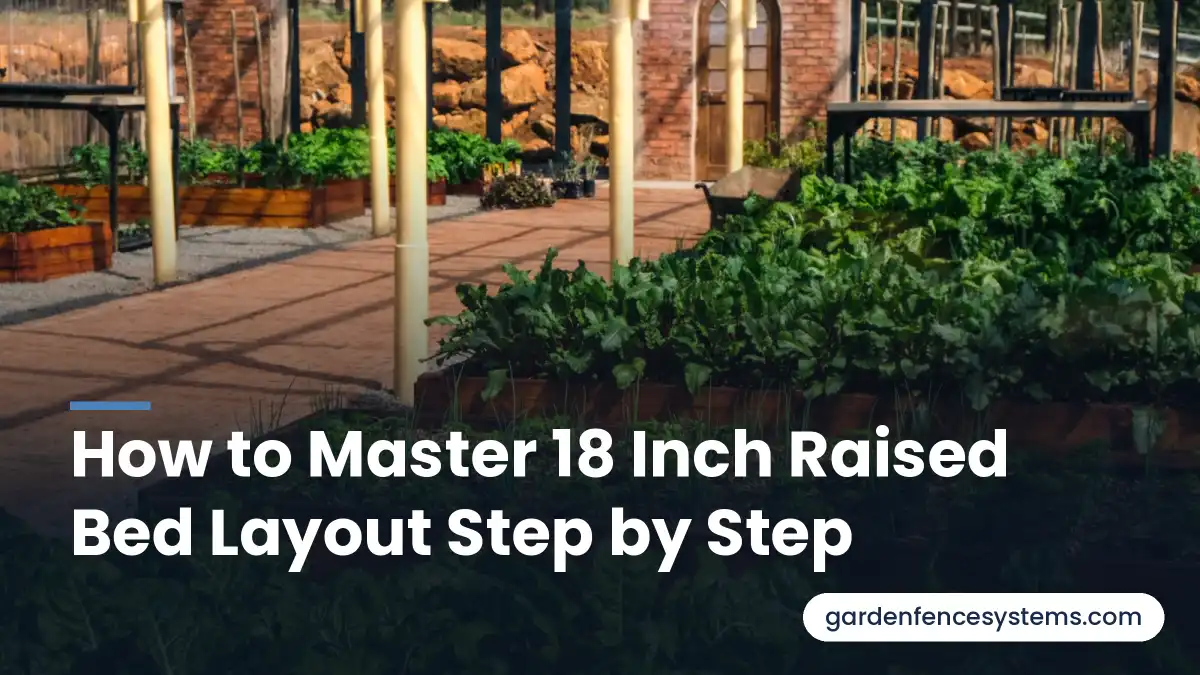
How to Master 18 Inch Raised Bed Layout Step by Step
As an Amazon Associate we earn from qualifying purchases. Guides are for general information; always check your owner's manual and consult a qualified mechanic when unsure.
You stand at the start of a garden project. The 18 inch raised bed layout you choose shapes everything that follows. It sets your soil depth. It sets your access. It sets your plants’ limits.
This guide walks you through the choices you face. We break the plan into clear steps. You will know what fits your space and your back. Let us build this right. Always follow official safety and maintenance guidelines for best results.
18 Inch Raised Bed Layout: A Decision Tree for Your Garden
An 18 inch raised bed layout starts with one big question. What will you grow in it? Vegetables need deep soil. Flowers need room to spread. Accessibility needs height you can reach. Your answer splits the path forward. Each choice leads to a different shape and size.
- Vegetable Focus: Pick a 4 by 8 foot rectangle. This gives you 32 square feet of planting space. The 18 inch depth holds rich soil for carrots and tomatoes.
- Flower Display: Go longer or wider for mass color. An 8 by 8 foot square works well for cutting gardens.
- Accessibility Needs: Keep the bed no wider than 4 feet. You must reach the center from both sides without stepping in.
- Small Space: A 2 by 8 foot long bed fits tight yards. It still gives you 16 feet of growing room.
You sketch the shape on paper first. Then you mark it on your ground with string. Check the sun path over the spot. Full sun means 6 to 8 hours of direct light. Part shade means 3 to 5 hours. Your 18 inch raised bed layout must match the light your plants need.
Next, you decide on the frame material. Cedar lasts long and resists rot. Galvanized steel gives a clean modern look. Both work well at 18 inches deep. The frame holds the soil in place. It also stops weeds from creeping in. Your choice affects cost and look.
Why 18 Inches Changes Everything for Soil Depth and Root Growth
Eighteen inches is not a random number. It hits a sweet spot for most garden crops. Standard beds are often 12 inches deep. That depth limits root spread for certain plants. Carrots, for instance, need loose soil down deep. At 18 inches, they grow straight and long. You avoid the forked, stunted shapes common in shallow beds.
- Root Depth Matters: Tomatoes send roots down 12 to 18 inches. Peppers reach 12 inches. Beans need only 8 to 10 inches. The 18 inch bed fits all of them with room to spare.
- Soil Warmth: Deeper soil warms up faster in spring. You can plant earlier than in-ground rows. The extra soil acts like a warm blanket at night.
- Drainage Control: Water moves through 18 inches of soil at a steady pace. It does not pool at the bottom. Roots stay healthy and do not rot.
- Compost Ratio: Fill the bed with 60 percent topsoil and 40 percent compost. This mix feeds plants for a full season without compacting.
You also gain from the height. Kneeling hurts your knees over time. An 18 inch wall lets you stand or sit on a stool. You work the soil without bending deep. This changes how often you tend your plants. You check them more. You catch problems early.
Material Selection and Frame Construction for an 18 Inch Bed
Building the frame is the first real step. You need boards that stand 18 inches tall. Two boards stacked work well. Or you can buy single tall boards. The frame must hold heavy wet soil without bowing.
Corner posts make the whole structure strong. Use 4 by 4 cedar posts at each corner. Drive them into the ground 6 inches deep. This keeps the bed from shifting when you fill it.
- Cedar Boards: Choose 2 inch thick cedar planks. They resist moisture and insects for years. A 4 foot wide bed needs two 8 foot long boards per side.
- Galvanized Steel: Steel frames last decades. They do not rot or warp. They cost more upfront but need no spare.
- Hardware Cloth: Line the bottom with hardware cloth. It stops moles and gophers from digging up your roots. Staple it to the inside frame before adding soil.
- Landscape Fabric: Lay fabric on the ground inside the frame first. It blocks weeds from below while letting water pass through.
You fill the bed in layers. Start with twigs and leaves at the bottom. Add compost in the middle. Top with good garden soil. This method saves on soil costs. It also breaks down over time to feed your plants. The 18 inch height gives you room for all those layers. You end up with a rich, fluffy growing space.
Check the frame corners with a square. A square frame holds soil evenly. A crooked frame leans and weakens over time. Take the extra ten minutes to get it right. Your plants will grow better in a stable home.
Designing the Internal Layout: Planting Zones and Pathways
An 18 inch raised bed layout works best when you split the bed into clear zones. Think of it like rooms in a small house. Each zone has a job. This keeps your garden tidy and your plants happy.
Most gardeners stick to a 4 foot wide bed. That width lets you reach the center from either side. You avoid stepping on the soil. Compacted soil blocks roots and water. Keep the length to 8 feet or less. This stops you from walking on the far end.
Place tall plants like tomatoes or pole beans on the north side. They won’t shade shorter crops. Put low growers like lettuce or herbs on the south side. This way, every plant gets its share of sun. You can also add a small trellis at the north end. It gives climbing plants a place to grow up.
Leave a 12 to 18 inch path between beds. Wide paths make it easy to move a wheelbarrow. They also keep your shoes out of the mud. You can fill paths with wood chips or straw. This cuts down on weeds and holds moisture.
- Square Foot Grid: Split each bed into 1 foot squares. Each square holds one crop type. This method maximizes every inch of space.
- Companion Pairings: Place basil near tomatoes in the same square. Marigolds work well along the bed edges. Good pairings help repel pests naturally.
- Rotation Zones: Mark one square for legumes. Mark another for leafy greens. Swap crop families each season. This stops soil nutrient drain.
- Path Material: Lay down landscape fabric first. Cover it with 3 inches of wood chips. This stops weeds and holds the path firm.
Irrigation and Soil Management Systems for 18 Inch Beds
Water moves differently in a shallow bed than in the ground. An 18 inch raised bed layout drains fast. That’s great for avoiding root rot. But it also means you water more often. The soil warms up quicker in spring too. You can start planting earlier than in-ground beds.
Drip irrigation works best for these beds. It puts water right at the roots. You avoid wetting the leaves, which prevents mold. Soaker hoses also work well. They sit on the soil surface and seep water evenly. Both options save water and cut down on weeds.
Mix your soil in layers. Start with a base of coarse compost. Add a middle layer of garden soil. Top it with 2 to 3 inches of fine compost. This creates a rich, fluffy bed. The roots will love it. You’ll see stronger plants and better yields.
Feed your bed each season. Add 1 to 2 inches of compost on top. This replaces what the plants used up. A 3 to 1 compost to soil ratio works well. You can also add a light layer of mulch. Mulch holds moisture and keeps the soil cool.
- Drip Lines: Space drip emitters 12 inches apart. Run the line down each planting row. This gives each plant a steady drink.
- Soaker Hose: Lay the hose in a serpentine pattern. Keep it 6 inches from plant stems. Run it for 30 to 45 minutes per session.
- Compost Ratio: Use 3 parts finished compost to 1 part topsoil. This blend drains well but holds enough moisture.
- Mulch Depth: Apply 2 to 3 inches of straw or wood chips. Keep mulch a few inches away from plant stems.
Common Layout Mistakes and How to Avoid Them
One big mistake is making the bed too long. You end up stepping on the soil to reach the middle. That compacts it. Roots can’t push through packed dirt. Keep your bed to 4 feet wide and 8 feet long. If you need more space, add another bed side by side.
Another error is ignoring sun mapping. You might put the bed in a shady spot. Leafy greens need 4 to 6 hours of sun. Fruiting plants like tomatoes need 6 to 8. Watch your yard through the day. Place the 18 inch raised bed layout where it gets the most light.
Skipping hardware cloth is a third mistake. Gophers and voles love soft soil. They tunnel right up through the bottom. Staple 1/4 inch hardware cloth to the frame before you fill it. This blocks pests without hurting the soil flow.
Some folks forget to plan for crop rotation. They plant the same family in the same spot each year. This drains the soil of specific nutrients. It also builds up pest problems. Sketch a simple plan and rotate your crops each season. Your future self will thank you.
- Bed Width: Never exceed 4 feet. You need to reach the center without stepping in.
- Sun Mapping: Track sun for 3 days before placing your bed. Full sun means 6+ hours of direct light.
- Pest Barrier: Use 1/4 inch galvanized hardware cloth on the bed floor. Staple it to the inner frame edges.
- Rotation Plan: Sketch a simple 4-square rotation chart. Move each crop family to a new zone each year.
Comparing Bed Layout Options
| Layout Factor | Square Grid | Row Planting | Companion Mix |
|---|---|---|---|
| Space Efficiency | High | Medium | High |
| Ease of Access | Excellent | Good | Good |
| Weed Control | High | Medium | High |
| Best For | Small spaces | Large crops | Mixed beds |
Common Questions About 18 Inch Raised Bed Layout
Can I Use an 18 Inch Raised Bed Layout for Wheelchair Access?
Yes, you can. An 18 inch height works well for seated gardeners. It allows easy reach to the center. You can also build the bed 24 inches tall if needed. Use sturdy materials like galvanized steel or cedar. Add a stable frame that won’t shift under weight.
How Many Square Feet Does a Standard 18 Inch Bed Have?
- 4 by 8: A 4 by 8 foot bed gives you 32 square feet.
- That’s Enough: That’s enough for a wide mix of crops.
- Grow 8: You can grow 8 to 12 different plant types.
- 18 Inch Depth: The 18 inch depth suits most vegetables and herbs.
- It Gives Roots: It gives roots plenty of room to spread.
What Is the Best Soil Mix for an 18 Inch Bed?
A mix of 60 percent topsoil and 40 percent compost works great. You can also add a bit of perlite for drainage. The bed drains faster than ground soil. So a light, fluffy mix is key. Avoid using pure garden soil alone. It compacts too fast in a shallow bed.
Do I Need a Liner Inside an 18 Inch Raised Bed?
You don’t need a liner for most beds. It can block drainage and trap too much water. Landscape fabric on the bottom helps with weeds. Hardware cloth is better if you have rodent issues. Skip the plastic liner to keep roots healthy.
How Often Should I Refresh the Soil in My 18 Inch Bed?
Top dress with 1 to 2 inches of compost each spring. The soil will settle over time. You may need to add more mix every 2 to 3 years. Testing the soil pH once a year helps too. It tells you what nutrients to add back.
Final Thoughts and Next Steps
An 18 inch raised bed layout gives you a strong start. It balances depth, access, and plant health. You get warm soil in spring and great drainage. The bed fits into most any yard or patio. You can grow food, flowers, or both with ease.
Start with a simple 4 by 8 foot frame. Pick cedar or galvanized steel for lasting use. Fill it with a good compost and soil mix. Map your sun and plan your planting zones. Add drip lines or a soaker hose for steady water.
Keep paths wide and soil topped with mulch. You’ll enjoy a tidy, productive garden all season long. Adjust the 18 inch raised bed layout as you learn what works best in your space. The garden will reward your care with fresh harvests and bright blooms.




One Comment