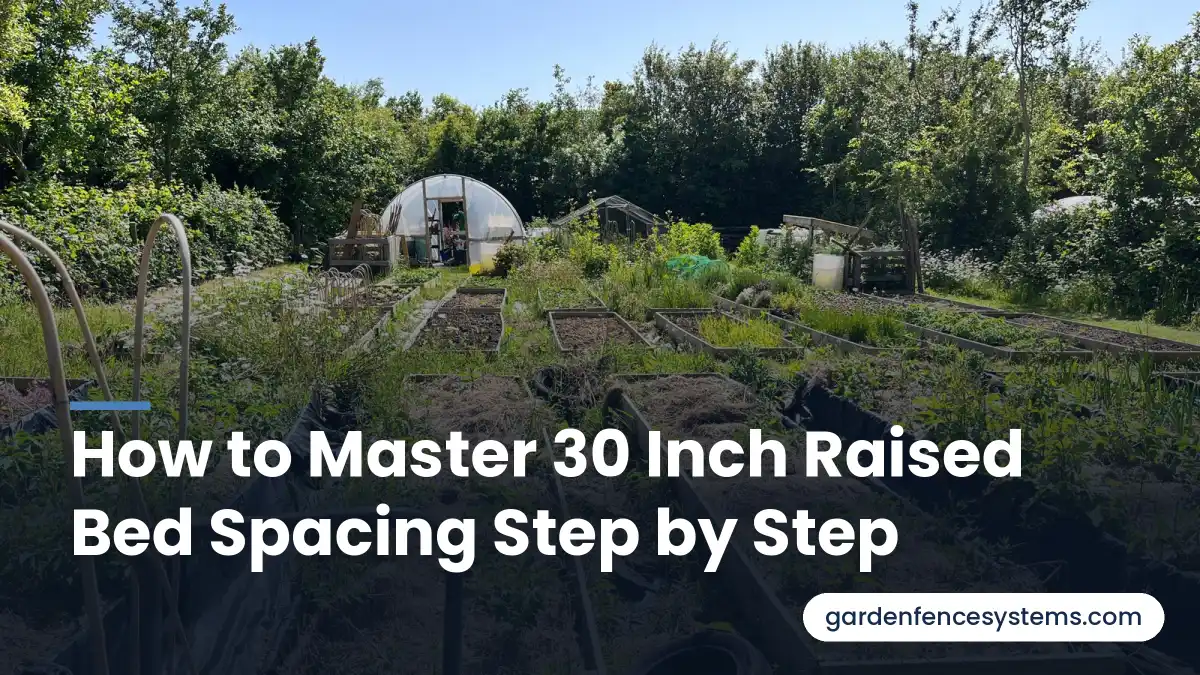
How to Master 30 Inch Raised Bed Spacing Step by Step
As an Amazon Associate we earn from qualifying purchases. Guides are for general information; always check your owner's manual and consult a qualified mechanic when unsure.
You want a garden that fits your life. A 30 inch raised bed spacing plan helps you get there. It balances plant room, easy reach, and good airflow. We have seen many gardeners guess wrong on width. That guess can crowd roots or block paths. This guide walks you through the real choices. You will learn how to set beds up right.
We cover shapes, plant fits, and access needs. You will also see how depth and soil tie in. Our goal is simple. You should walk away with a clear plan. You should know what works for your yard and your crops. Let us start with the big picture choices. Always follow official safety and maintenance guidelines for best results.
Choosing the Right Configuration for 30 Inch Raised Bed Spacing
A 30 inch raised bed spacing setup shapes your whole garden. The width sets the limits. It tells you how many plants fit. It also sets path needs. You must match the bed to your space and your tools. A 30 inch bed is narrow enough to reach the center from both sides.
That is its big strength. You do not need to step into the bed and pack the soil down. A wide bed forces you to step inside. That compaction hurts root growth over time. But a 30 inch bed is not a one size fits all fix. The right shape depends on your yard, your crops, and your back.
Think about the space you have. A small yard may call for a single long bed. A wider yard can hold side by side beds. In that case, you need paths between them. A 30 inch bed with a 2 foot path works well for most gardeners. You can fit a wheel hoe or a broadfork in that path. You can also move a garden cart with ease.
For a solo gardener, one 30 inch bed by 8 feet long is a great start. It gives you room to grow without the overwhelm. If you want more growing space, add a second bed. Keep the same 30 inch width. Just space them with a clear path in between. This keeps your layout clean and your steps easy.
- Single Bed Layout: One 30 inch bed fits tight spaces well.
- Double Row Setup: Two beds with a 2 foot path works for medium yards.
- L Shaped Plan: An L shape gives you a corner growing area.
- U Shaped Plan: A U shape wraps around a patio or deck.
- Island Bed: Place a 30 inch bed in the middle of a larger lawn area.
Your choice shapes how you move in the garden. It also shapes how much you can grow. Take a look at your yard. Pick a shape that feels right for your daily routine. Then plan the paths around it. A good layout saves you time and back pain all season long.
Plant Spacing and Density Within a 30 Inch Bed
A 30 inch raised bed spacing plan changes how you place plants. The bed is 30 inches wide. That is about 2.5 feet. You can fit rows or grids inside it. But you cannot treat it like a wide open field. The bed limits how far your plants can spread. You need to think about each plant’s full size. A tomato plant needs 18 to 24 inches.
That means one plant per row in a 30 inch bed. A pepper plant needs about 18 inches. You can fit one per row too. But leafy greens like lettuce or spinach need less room. You can space them 6 to 8 inches apart. That means you can fit three or four rows across a 30 inch bed. The key is to match the plant to the space.
Square foot gardening fits well here. You can divide the 30 inch width into squares. Each square holds one plant or a small cluster. A 30 inch by 30 inch square can hold one indeterminate tomato. It can also hold nine bush beans or sixteen carrots. You just change the spacing per crop. This method uses every inch of soil.
It also cuts down on weeds. The soil stays covered with plants, not bare gaps. But you must not crowd the plants too much. Airflow stops when leaves touch. That invites mildew and disease. Give each plant its true need. You will get better yields and cleaner growth.
- Tomato Spacing: One plant per 18 to 24 inch spot in the row.
- Pepper Spacing: One plant per 18 inch, with a second row if needed.
- Leafy Greens: Six to eight inch spacing allows three or four rows.
- Root Crops: Carrots and beets can go four to six inches apart.
- Bush Beans: Four to six inches apart works well in a block.
You can mix crops in one bed. This is called companion planting. Tall plants go on the north side. Short plants go on the south side. That way, the tall plants do not shade the short ones.
A 30 inch bed can hold a mix of tomatoes and basil below. The basil likes the shade from the tomato leaves. This works well in a tight space. You just need to plan the layout before you plant.
Access, Pathways, and Maintenance Around 30 Inch Raised Beds
A 30 inch raised bed spacing plan is not just about the bed. It is also about what is around it. You need paths to reach the center. You need room for your tools. A path that is too narrow blocks your work. You will step on the soil and undo your efforts. A 2 foot path is a good target. It fits a wheel hoe, a hand rake, or a garden cart.
It also gives you a clear spot to kneel or stand. If you have a larger garden, you can make paths 3 feet wide. That works well if you use a broadfork or a tiller between beds. But for most home gardens, 2 feet is enough.
The path surface matters too. You can use wood chips, straw, or gravel. A thick layer of wood chips stops weeds. It also keeps your shoes clean when you walk from bed to bed.
Think about your daily routine. How do you move through the garden? Do you carry a watering can? A hose with a wand? A wheelbarrow? You need paths wide enough for those tools. A 30 inch bed with a 2 foot path gives you a clean loop.
You can work the bed from all four sides if you place it in the open. If the bed sits against a fence or wall, you only have two sides. In that case, keep the bed shorter in length. An 8 foot long bed is easy to reach across.
A 12 foot bed may force you to stretch or step in. Keep your reach and your comfort in mind. The goal is a garden that feels open and easy to work in.
- Path Width: Aim for 2 feet of clear space between beds.
- Tool Fit: Make sure a wheel hoe or cart fits the path.
- Surface Choice: Wood chips, straw, or gravel keep paths clean.
- Reach Limit: Do not make a bed longer than 8 feet if against a wall.
- Knee Space: Leave a flat spot near the bed for kneeling or sitting.
Upkeep access shapes how healthy your plants stay. You need to thin, weed, and harvest without stepping on the soil. A tight path or a narrow bed makes that hard. A 30 inch bed with good paths gives you the room you need. You can work quickly and gently. Your plants stay happy. Your back stays happy too.
Orientation and Layout Strategies for 30 Inch Raised Bed Spacing
Where you place a 30 inch raised bed spacing plan matters a lot. The bed direction changes how much sun your plants get. It also changes how you move through the garden. In most places, north to south rows work best.
That way, the sun crosses over both sides of the bed. Each plant gets its share of light. East to west rows can work too. But they may cast shadows on the back bed if you place them side by side.
Think about where the sun sits in your yard. A south facing spot gives you the longest light hours. A north facing spot gives you less. Watch your yard through the day. Note where the shade falls. Then place your beds in the sunniest area. That is usually the south or west side of a fence or wall.
Layout is about more than just sun. It is also about how you move. A long row of beds needs a clear path on each side. A U shaped layout wraps around a patio. It feels cozy and easy to tend. An L shaped layout fits a corner yard well. It gives you a flat edge to lean against while you work.
A single island bed in the middle of a lawn looks great. But you need paths on all sides to reach it. That uses more space. For a small yard, a simple straight row of one or two beds works best. You can add more beds later as your garden grows. Keep the 30 inch width steady. It makes planning and planting easier each year.
- North to South: Best for even sun on both sides of the bed.
- East to West: Works for short rows but watch for shading.
- U Shape: Wraps around a patio or deck for easy access.
- L Shape: Fits a corner yard and gives a flat work edge.
- Island Bed: Place in an open lawn area with paths on all sides.
A good layout saves you time and effort all season. It also helps you spot problems early. You can see pests or dry spots from the path. You do not have to step into the bed to check. A 30 inch raised bed spacing plan that fits your yard. Your habits makes the garden feel like a joy, not a chore.
Soil Depth, Root Space, and Crop Selection for 30 Inch Beds
A 30 inch bed gives roots room to spread. But depth matters just as much as width. Shallow soil stops carrots and parsnips from growing long, straight roots. You need at least 12 inches of soil for most greens. Deep-rooted crops want 18 inches or more.
The bed width fits a broadfork or wheel hoe. You can reach the center from both sides. That means no stepping on the soil. Loose, fluffy soil lets roots push down easily. Compacted ground stunts growth and blocks water.
- Shallow Root Crops: Lettuce, spinach, and radishes need 6 to 8 inches of soil. They grow fast and fill tight spaces.
- Medium Root Crops: Bush beans, beets, and kale do well in 10 to 12 inches. They fit the bed width nicely.
- Deep Root Crops: Carrots, daikon, and tomatoes need 18 inches or more. Plan extra depth for these hungry plants.
- Raised Bed Liner: A fabric liner stops weeds from below. It also holds soil in place on sloped ground.
- Garden Soil Mix: Use a blend of topsoil, compost, and perlite. This mix drains well and feeds roots.
Match your crops to the soil depth you can provide. 30 inch raised bed spacing works best when you pair the right plant with the right soil volume. A bed that is too shallow forces you to grow only leafy greens. A deep bed opens up more crop choices.
Common Mistakes and Misapplications of 30 Inch Raised Bed Spacing
One big mistake is treating 30 inches as a fixed rule for all crops. It is not. Some plants need more space. Others crowd each other out when spaced too tightly. Another error is ignoring the path width between beds. You need room to move tools and wheelbarrows around the garden.
People also forget that bed depth changes what you can grow. A 30 inch wide bed with only 6 inches of soil limits you to shallow roots. You can’t plant potatoes or deep-rooted tomatoes in that setup. The bed shape matters too. Square or rectangular beds use space better than odd shapes.
- Wrong Plant Fit: Placing sprawling squash in a 30 inch bed crowds out neighbors. Give vining plants their own space or trellis them.
- Ignoring Paths: Tight paths make weeding and watering hard. Leave at least 18 inches between beds for easy access.
- Skipping the Liner: Skipping a raised bed liner lets grass and weeds invade from below. That steals nutrients and space.
- Flat Soil Fill: Filling the bed with plain garden dirt leads to compaction. Mix in compost and coarse materials first.
- No Crop Rotation: Planting the same crop in the same spot year after year drains soil nutrients and invites pests.
Final Planning Checklist for 30 Inch Raised Bed Spacing
Use this checklist before you build or plant. It covers the key steps for a successful garden layout. A little planning now saves time and effort later.
- Measure Your Space: Mark the total area for your garden beds and paths. Confirm the 30 inch width fits the layout.
- Choose Your Material: Pick between cedar raised bed, galvanized steel bed, or untreated lumber. Each has different costs and lifespans.
- Set Bed Depth: Decide on soil depth based on what you want to grow. Use 12 inches as a starting point for most crops.
- Plan Your Crops: Sketch a map with proper crop spacing. Group plants with similar sun and water needs together.
- Check Path Width: Make sure paths between beds are at least 18 inches wide. Wide paths make upkeep easier and faster.
- Install the Liner: Lay a fabric liner at the bottom of each bed. This blocks weeds and holds the soil in place.
- Fill with Quality Mix: Combine topsoil, compost. Perlite for a loose, rich garden soil mix. Fill the bed to the top.
- Set Up Trellises: Add trellises for climbing plants like beans or cucumbers. This saves floor space and improves air flow.
Comparing 30 Inch Raised Bed Materials and Specs
| Material | Typical Lifespan | Bed Depth Range | Best For |
|---|---|---|---|
| Cedar Raised Bed | 10 to 15 years | 12 to 24 inches | Leafy greens, herbs, and root crops |
| Galvanized Steel Bed | 15 to 25 years | 12 to 18 inches | Intensive planting and modern garden looks |
| Untreated Lumber | 5 to 8 years | 10 to 14 inches | Budget setups and shallow-rooted plants |
| Fabric Raised Bed | 3 to 7 years | 6 to 12 inches | Temporary gardens and quick soil warming |
Frequently Asked Questions
Can I Use 30 Inch Raised Bed Spacing for Tomatoes?
Yes, but you need deep soil. Tomatoes need at least 18 inches of soil depth. A 30 inch wide bed gives each plant good space. Use a sturdy stake or cage to support the vines.
How Many Plants Fit in a 30 Inch Raised Bed?
It depends on the crop. Leafy greens can be spaced 6 inches apart. That gives you about 30 plants per row. Larger crops like peppers need 18 inches. You might fit only 2 or 3 per bed.
What Is the Best Path Width for 30 Inch Beds?
Leave at least 18 inches between beds. This lets you use a wheel hoe or hand fork without stepping on the soil. Wider paths work better if you use a wheelbarrow.
Do I Need a Liner for a 30 Inch Raised Bed?
A liner is not always required. It helps block weeds and keeps soil from washing out. Fabric liners work well for most setups. Use landscape fabric or hardware cloth if gophers are a problem.
Can I Grow Potatoes in a 30 Inch Bed?
Yes, if the soil is deep enough. Potatoes need 12 to 18 inches of loose soil. Hilling soil around the stems as they grow helps the tubers develop. A 30 inch bed width gives you good space to work.
Final Thoughts and Next Steps
Getting 30 inch raised bed spacing right starts with a clear plan. You need to match the bed width to your plants, your tools, and your soil depth. A well-planned garden saves you time and gives you better harvests. Take a few minutes to sketch your layout before you build.
Once your beds are set up, focus on the soil. Good garden soil mix and proper crop spacing make a big difference. Keep paths clear and check your plants often. You will learn what works best in your own garden with each season. Stick with the plan, and you will see strong growth and fewer problems.






2 Comments