Can Garden Snails Eat Tomatoes Tips and Best Practices
As an Amazon Associate we earn from qualifying purchases. Guides are for general information; always check your owner's manual and consult a qualified mechanic when unsure.
You grow tomatoes. You watch them ripen. Then you find holes in the leaves. Slimy trails mark the stems. You wonder, can garden snails eat tomatoes? The short answer is yes. Snails love tomato plants. They chew leaves.
They nibble fruit. They leave behind a slimy mess. This guide helps you understand why. It shows you how to spot the damage. We will cover what to do next. You will learn simple ways to protect your crop. Let us look at the problem up close. Always follow official safety and maintenance guidelines for best results.
The Snail Feeding Mechanism and Why Tomatoes Are a Target
Snails have a special mouth part called a radula. It works like a tiny rasp. They scrape plant tissue with it. Tomatoes draw snails in for a few reasons. The leaves are soft and wet. The fruit gives off a sweet smell. Snails sense this from a distance. They move slowly but they eat a lot. A small group can do big harm fast.
Tomato plants also offer good cover. Broad leaves give shade. Snails stay cool under them. They feed at night. Daylight dries them out. So they wait until dark. Then they climb the stems. They chew holes in leaves. They strip soft new growth first. They may also bite into ripe fruit. For complementary picks and expert testing advice, see our guide on Are Rollie Pollies Bad for Garden for Beginners.
Understanding their feeding habits helps you fight back. Snails rasp away leaf tissue in thin layers. They leave behind a translucent skeleton. The plant cannot make food with less leaf area. Fruit damage is different but just as bad.
Snails pierce the skin and suck out juices. The bite edge turns brown and dry. This invites secondary rot fungi. The fruit rots on the vine. You lose both the current crop and future yield.
- Rasping mouth: Snails use a radula to scrape plant cells.
- Soft leaves: Tomato foliage is moist and easy to chew.
- Sweet lure: Ripe fruit gives off a strong scent at night.
- Cool cover: Broad leaves shade snails from daytime heat and dry air.
- Nocturnal habit: They feed after dark and hide at dawn.
Identifying Snail Damage on Tomato Plants and Fruit
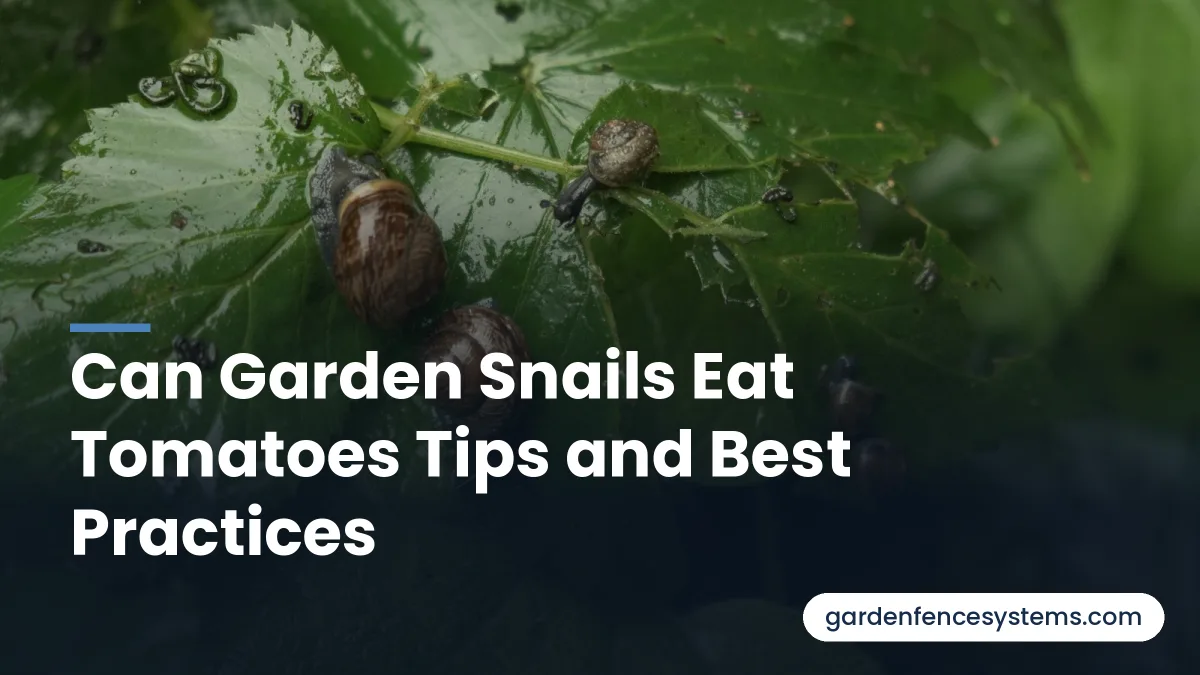
You will see the damage fast. Look at the lower leaves first. Snails start there. They eat large, ragged holes. The edges of leaves look scalloped. You may find slimy slime trails on the soil.
They look like shiny silver lines. On fruit, the damage is clear. Snails take small bites out of tomatoes. The bites are deep and clean. They leave a slimy patch behind.
Check your plants at night. Use a flashlight. You may see them feeding live. They move slow. You can spot them on the stems.
Their shells curve like tiny spirals. If you do not see them, look for their droppings. They leave small, dark pellets near the base. Finding these signs early helps you act fast.
- Ragged holes: Leaves show large, uneven bites along the edges.
- Slime trails: Shiny silver lines mark stems and soil surfaces.
- Fruit bites: Ripe tomatoes get deep, clean chunks taken out.
- Dark droppings: Small black pellets gather near the plant base.
- Night checks: A flashlight reveals snails feeding on stems after dark.
Can Garden Snails Eat Tomatoes: A Breakdown of Risk and Severity
So, can garden snails eat tomatoes? Yes, they can. They eat both leaves and fruit. The risk depends on your garden size. A few snails may cause minor harm. A big group can wipe out a crop. Young plants are at the highest risk. Their soft leaves are easy to eat. Snails can strip a seedling bare overnight. Ripe fruit on the vine is also a big target.
Snails also bring other risks. Their slime can spread disease. It can carry bacteria to open wounds on plants. Heavy feeding weakens the whole plant. Fewer leaves mean less energy for fruit. The harvest drops. You lose both quality and yield. The damage gets worse in damp weather. Snails breed fast in wet soil. A small problem can grow fast.
Young transplants face the greatest danger. Their stems are thin and tender. A single snail can sever a seedling at the base. Established plants have tougher stalks. They can handle some leaf loss.
But heavy feeding still stunts growth. The plant puts energy into new leaves instead of fruit. This delays ripening by weeks. In severe cases, the plant may not recover at all.
- Leaf damage: Snails strip soft new growth from young plants fast.
- Fruit loss: Ripe tomatoes on the vine take large, clean bites.
- Disease risk: Slime trails can carry bacteria to plant wounds.
- Yield drop: Heavy feeding weakens plants and cuts your harvest size.
- Damp boost: Wet weather helps snail numbers grow very fast.
Immediate Interventions for Protecting Tomato Crops From Snails
Snails can strip tomato leaves overnight. You need fast action to save your crop. The right steps stop slimy pests fast.
- Start with a Hands-On: Start with a hands-on approach.
- Hand-Picking Works Best: Hand-picking works best after dusk.
- Grab a Flashlight: Grab a flashlight and head out to your plants.
- Drop Snails: Drop snails into a bucket of soapy water.
- Do This Every: Do this every few nights for best results.
- Be Surprised How: You will be surprised how many you find.
Try a simple beer trap first. Dig a shallow hole near the affected plants. Use a small cup or jar. Fill it with cheap beer or a yeast mixture. The scent draws snails down.
They fall in and cannot climb out. Check the trap every morning. Remove dead snails and refill the liquid. One trap covers about a three-foot radius. Place several traps for larger gardens.
Iron phosphate bait offers another quick fix. This product is safe for pets and kids. It disrupts the snail’s digestion. They stop feeding and die within days. Sprinkle the bait in a ring around each plant.
Focus on the soil surface and lower stems. Reapply after heavy rain. The bait works best in damp conditions. Snails are more active and will eat it faster.
Copper tape acts as a living electric fence. Snails avoid crossing copper. The slime reacts with the metal. A small voltage spike stops them in their tracks. Wrap the tape around pot rims or bed edges. Make sure the tape has no gaps. Even a small break lets pests pass through. Check the tape weekly and replace worn sections.
Diatomaceous earth gives you a physical barrier. The fine powder cuts through snail skin. They lose moisture and die. Sprinkle a ring around each plant. The powder must stay dry to work. Reapply after rain or heavy dew. Wear a mask when spreading it. This protects your lungs from the dust.
These steps give you quick relief. They buy time while you build longer-term fixes. Use a mix of methods for the best defense. No single method works alone. Combine barriers, traps, and manual removal. This layered approach cuts snail numbers fast.
Long-Term Garden Strategies to Reduce Snail Populations Near Tomatoes
Long-term control means changing your garden setup. You want to make your yard less inviting to snails. Start by removing their favorite hiding spots. Clear away boards, pots, and dense ground cover. Snails hide in these damp, dark spots during the day. Remove them to cut the population at the source.
Adjust your watering habits too. Snails need moisture to survive. Water your tomatoes in the early morning. This lets the soil surface dry by evening. Dry soil is much harder for snails to cross. It also lowers the risk of fungal diseases on your plants.
Think about your garden layout. Snails move in predictable patterns. They follow edges and walls. They use dense vegetation as highways. Create open pathways between your tomato rows. This gives you clear sight lines. You can spot them easily during your night patrols. It also reduces hiding spots. A tidy garden is a safer garden.
Mulch management plays a key role. Thick mulch holds moisture and hides snails. Pull mulch back two to three inches from stems. This creates a dry zone snails will not cross. It also keeps the stem base dry. This prevents rot and fungal infections. Use coarse materials like straw or gravel. They do not hold as much moisture as fine mulch.
Encourage natural predators in your garden. Ground beetles and fireflies eat snails. Frogs and toads love a damp garden with cover. Add a small water dish or a rock pile. Avoid pesticides that kill these helpful creatures. They are your best long-term allies. A balanced ecosystem keeps snail numbers in check naturally.
Clean your garden borders regularly. Keep grass and weeds trimmed back. Tall, moist grass gives snails a bridge into your beds. A clear gap between lawn and tomatoes works well. This simple step stops many pests before they arrive. Make it part of your weekly garden routine. For complementary picks and expert testing advice, see our guide on How to Master Are Garden Snakes Harmless Step by Step.
- Plant-Resistant Varieties: Some tomato types resist snail damage better. Thick-leaved varieties take longer for snails to eat through. Cherry tomatoes often suffer less than large slicing types. The fruit skin may also deter feeding. Choose varieties suited to your snail pressure level.
- Encourage Natural Predators: Ground beetles and fireflies eat snails. Frogs and toads love a damp garden with cover. Add a small water dish or a rock pile. Avoid pesticides that kill these helpful creatures. They are your best long-term allies.
- Clean Garden Borders: Keep grass and weeds trimmed back. Tall, moist grass gives snails a bridge into your beds. A clear gap between lawn and tomatoes works well. This simple step stops many pests before they arrive.
These habits take time to show full results. But they build a garden that fights back on its own. Pair them with your daily patrols for steady control.
Practical Methods for Can Garden Snails Eat Tomatoes in Your Garden
You already know snails eat tomatoes. Now you need a plan that fits your garden. The right mix of methods keeps your plants safe. You can use barriers, traps, and manual removal together. Each method has strengths for different garden sizes.
- Start with a Simple: Start with a simple barrier plan.
- Wrap Copper Tape: Wrap copper tape around raised beds or pot rims.
- Add a Ring: Add a ring of diatomaceous earth just inside the copper.
- This Double Layer: This double layer stops most crawling snails.
- Check the Barriers: Check the barriers weekly.
- Replace Any Damaged: Replace any damaged sections right away.
- Broken Barrier: A broken barrier is an open door for pests.
For hand-picking, set a regular schedule. Go out two hours after sunset with a flashlight. Carry a bucket of soapy water with you. Pick off every snail you see on the plants. Check the undersides of lower leaves first.
Remove any egg clusters you find on soil surfaces. Snail eggs are small and round. They are clear or white in color. They hide in the top layer of soil. Removing them stops the next generation before it hatches.
Create a night patrol routine. Set a fixed time for your snail hunt. Steadiness works better than one big effort. Aim for two or three nights per week. This keeps the population low during the growing season. Make it part of your evening schedule. Many gardeners find it a peaceful way to end the day.
Try bait rotation for better results. Switch between iron phosphate and beer traps. Snails can ignore one method over time. Rotating baits keeps them confused and active. Place bait in the same spots each time. This trains snails to visit those spots. They will keep coming back to the bait.
Your garden setup shapes which methods work best. A small container garden needs different tactics than a large raised bed. Adjust your plan as the season changes. Stay alert and you will protect your harvest.
Comparing Snail Control Methods for Tomato Gardens
Each control method has its own strengths. Hand-picking works best for small gardens. It gives you direct control. You remove snails right away. No chemicals are needed. This method is free and safe for pets. But it takes time and effort. You must do it every night. Missing a few nights lets the population rebound.
- Iron Phosphate Bait: Iron phosphate bait is easy to use.
- It Works Well: It works well in damp weather.
- Bait Kills Snails: The bait kills snails safely underground.
- It Does Not: It does not leave dead snails in your garden.
- This Keeps the Area: This keeps the area clean and tidy.
- Bait Is Also: The bait is also safe for pets and children.
- Use It Around: You can use it around your vegetable beds.
- One Downside: One downside is the cost.
- Bait Can Add Up: Bait can add up over a season.
- Also Reapply After: You must also reapply after rain.
Copper tape creates a physical barrier. It works well for container plants. The tape gives snails a mild shock. They will not cross the copper strip. This method is long-lasting and reusable. You can wrap it around pots or bed frames. The main challenge is gaps. Any break in the tape lets snails through. You must check the tape regularly and fix holes.
Diatomaceous earth offers a natural powder barrier. It cuts snail bodies on contact. The powder must stay dry to work. Rain washes it away and you must reapply. It is safe for use around edibles. Use food-grade diatomaceous earth for safety. Wear a mask when spreading it. This protects your lungs from the fine dust.
Beer traps are simple and strong. They attract snails with the yeast scent. Snails crawl in and drown by morning. Empty the trap daily to stay strong. One trap covers a small area. You need several traps for larger gardens. The beer must be replaced every few days. Stale beer does not attract snails as well.
The best approach combines several methods. Use barriers to protect key plants. Add bait in problem areas. Hand-pick during peak snail activity. This layered strategy gives the best results. It cuts snail numbers fast and keeps them low.
Environmental Factors That Drive Snail Activity Near Tomatoes
Snails respond strongly to weather and habitat. Understanding these triggers helps you predict their behavior. You can time your defenses to match their habits. The goal is to stay one step ahead.
- Temperature Plays: Heat plays a big role in snail activity.
- They Thrive: They thrive in cool, damp conditions.
- Range: The ideal range is between 50 and 70 degrees.
- They Become Sluggish: They become sluggish in hot weather.
- They Hide: They hide in shade or deep soil.
- Their Activity Peaks: Their activity peaks in spring and fall.
- These Seasons Bring: These seasons bring the most damage risk.
Rainfall and humidity fuel snail populations. A wet spring sets the stage for big infestations. Snails breed faster in moist soil. Their eggs hatch in two to four weeks. Each snail can lay dozens of eggs at a time. The population can explode in just a few weeks. This is why early action is so key.
Wind is a natural enemy of snails. They avoid exposed, windy areas. They stay close to the ground. They hide under objects when the wind blows. You can use this to your edge. Place barriers in open areas where wind is strong. This slows their movement and keeps them away from plants.
Soil type also affects snail presence. Sandy soil drains fast and is less inviting. Clay soil holds moisture and attracts snails. Heavy clay gardens need extra protection. Add organic matter to improve drainage. This makes the soil less appealing to snails. It also benefits your tomato plants.
Shade and cover create safe zones for snails. Dense ground cover gives them hiding spots. Overgrown weeds and tall grass are perfect. Trim these back regularly to reduce their habitat. Keep the area around your tomatoes clear. This removes the safe zones they depend on.
Common Mistakes Gardeners Make When Fighting Snails
Many gardeners make the same errors. These mistakes waste time and harm plants. Avoid them to protect your tomatoes more well. For complementary picks and expert testing advice, see our guide on Are Garden Mushrooms Poisonous to Dogs for Beginners.
- First Common Mistake: The first common mistake is waiting too long.
- Snails Reproduce: Snails reproduce fast.
- Few Snails Become: A few snails become hundreds in weeks.
- Start Your Control: Start your control efforts early.
- Do Not Wait: Do not wait until you see heavy damage.
- Early Action: Early action keeps the population low.
The second mistake is using only one method. A single approach rarely works alone. Snails adapt to barriers and baits. They learn to avoid traps over time. Use a mix of methods. Rotate your baits and barriers regularly. This keeps them from getting easy.
The third mistake is ignoring daytime hiding spots. Snails hide during the day. If you do not remove their hiding spots, they return at night. Clear boards, pots, and dense mulch. Remove any debris where they can hide. This reduces their numbers at the source.
The fourth mistake is over-watering your plants. Wet soil attracts snails. It also promotes fungal diseases. Water your tomatoes deeply but less often. Let the soil dry between waterings. This creates an space snails dislike.
The fifth mistake is using salt to kill snails. Salt works but it harms your soil. It can burn your plants and kill beneficial organisms. Never use salt in your garden. Stick to safe, targeted methods instead.
| Method | Best For | Cost | Effort Level |
|---|---|---|---|
| Iron Phosphate Bait | Large beds, wet climates | Low | Low |
| Copper Tape Barrier | Pots, raised beds | Medium | Low |
| Diatomaceous Earth | Dry climates, small plots | Low | Medium |
| Beer Traps | Spot treatment, small gardens | Low | Medium |
| Hand-Picking | All garden sizes | Free | High |
Frequently Asked Questions About Snails and Tomato Gardens
Can Garden Snails Eat Tomatoes and Do They Prefer Certain Plant Parts?
Yes, they do. Snails often start with lower leaves. They chew holes and leave slimy trails behind. Fruit near the soil gets eaten too. They prefer tender new growth over tough older leaves. You may find them feeding on ripe fruit as well.
What Time of Night Should I Check for Snails on Tomatoes?
Check two hours after sunset for best results. Snails begin feeding as the air cools. They stay active through the early morning hours. A flashlight helps you spot them on leaves. You will catch the most pests on warm, damp nights.
Are Iron Phosphate Baits Safe for Vegetable Gardens?
Yes, they are. Iron phosphate is a mineral found in soil. It kills snails when they eat the bait. It does not poison the plants or the fruit. The product breaks down into safe nutrients. Always follow the label directions for application rates.
Will Diatomaceous Earth Hurt My Tomato Plants?
No, it will not harm the plants. The powder works by cutting snail bodies. It must stay dry to remain strong. Rain washes it away and you must reapply. Use food-grade diatomaceous earth for safety around edibles.
How Long Does It Take to Control Snails in a Garden?
You can see results in one to two weeks. Daily hand-picking cuts numbers fast. Barriers and baits work over a longer window. Combining methods gives the quickest drop in damage. Stay steady and your tomatoes will stay safer.
Final Thoughts and Next Steps
Can garden snails eat tomatoes? Yes, they can and they will if you let them. Your best move is to act early and stay steady. Use barriers to protect plants tonight. Add hand-picking to your evening routine this week. Mix methods to break the snail life cycle on your property.
Small steps add up to a big harvest. A few minutes of work each night saves your tomatoes. You keep the fruit clean and safe to eat. Your garden stays healthy without harsh chemicals. Start with one method today and build from there. Your plants will thank you all season long.