Are Aphids Harmful to Humans Tips and Best Practices
As an Amazon Associate we earn from qualifying purchases. Guides are for general information; always check your owner's manual and consult a qualified mechanic when unsure.
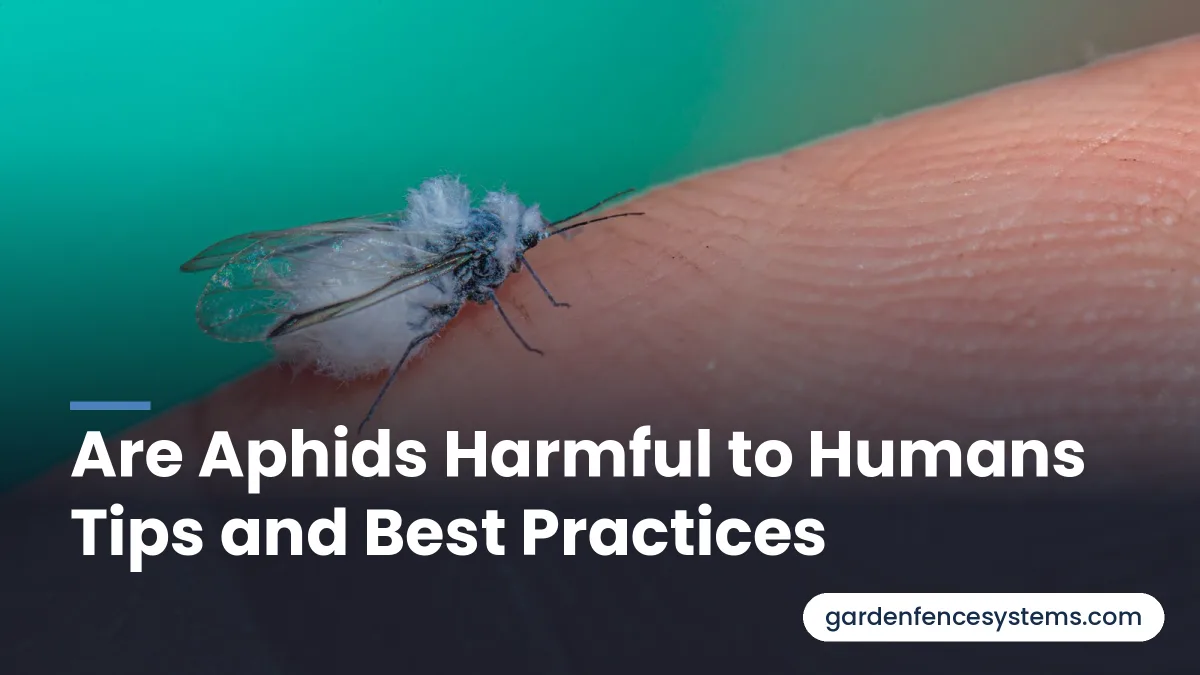
Aphids are tiny soft-bodied bugs. They cluster on plant stems and leaves. Many gardeners spot them and ask one question. Are aphids harmful to humans? The short answer is mostly no. Aphids don’t bite or sting people.
They lack the mouthparts to pierce our skin. But that does not mean they pose zero risk. Their sticky waste, called honeydew, can trigger reactions. Some people develop rashes or breathing issues. Indoor plants can host large colonies fast. Always follow official safety and maintenance guidelines for best results.
These pests also farm with ants for protection. We will walk through what you need to know. You will learn about direct and indirect harm. We will cover allergic risks and indoor concerns. You will also get clear steps to remove them safely.
Let us break down the real facts. You will see how to protect your home. We will keep this simple and practical. No fluff, just clear guidance you can use today.
Are Aphids Harmful to Humans: Evidence-Based Risk Assessment for Homeowners
So, are aphids harmful to humans in a direct way? The evidence points to low risk. Aphids feed on plant phloem sap. They pierce leaves and drink the juices. Their needle-like mouthparts cannot penetrate human skin.
You can pick off an aphid with bare fingers. It will not bite or draw blood. The real threat comes from their byproducts. Honeydew is a sticky sugar-rich liquid. It coats leaves and attracts sooty mold. For complementary picks and expert testing advice, see our guide on How to Keep Aphids Out of Garden Step by Step Guide.
This mold can stain skin and fabrics. Some people show sensitivity to these residues. You might see red, itchy patches on arms. That is your body reacting to the sticky film. The risk is low but it is real.
You should treat infestations with care. Wear gloves when handling heavily infested plants. Wash your hands after any garden work. Simple steps keep you safe. Most folks never face a problem from these bugs.
Indoor plants face a different threat level. A single aphid can start a colony in days. Warm homes with dry air invite them. They multiply fast because they reproduce without mating. You may not spot them until leaves curl. Heavy sap feeding weakens the plant. Sticky honeydew drips onto tables and floors.
This creates a messy surface and a health factor. The bugs do not harm you directly. But their waste can irritate skin. It can also stain wood or fabric. Keeping plants clean and checked is key. A quick weekly look at leaf undersides stops big problems. Early action keeps your home safe and tidy.
- Low Bite Risk: Aphids lack mouthparts to pierce human skin.
- Honeydew Irritation: Sticky waste can cause contact rashes on sensitive skin.
- Sooty Mold: Fungus grows on honeydew and may stain or irritate.
- Indoor Spread: Warm dry homes let colonies grow fast on houseplants.
- Early Detection: Weekly leaf checks stop small problems from becoming big ones.
Allergic Reactions and Toxicological Concerns From Aphid Contact and Honeydew Exposure
Do aphids release any toxic substances? They do not produce venom or poison. They lack stingers and biting jaws for humans. But their honeydew contains complex sugars. It also carries trace compounds from plant sap.
Some people develop allergic contact dermatitis. This shows up as red, itchy, or bumpy skin. The reaction happens after direct handling of infested leaves. You may not react the first time. Sensitization can build over repeated exposures.
Gardeners with latex allergies need extra care. Some plants produce latex when aphids feed on them. This latex can mix with honeydew on the leaf surface. It may trigger a stronger reaction in sensitive people. The formic acid in some aphid species is another factor.
It is a mild organic acid. In large amounts on skin it can cause stinging. Washing the area with mild soap helps fast. Cold water soothes the irritation quickly. Most reactions are mild and clear up fast.
Asthma and breathing concerns are another angle. Honeydew becomes airborne when it dries. It forms a fine dust on leaves and soil. Disturbed plants can release this dust into the air.
People with asthma may react to this fine residue. It can trigger coughing or chest tightness. The mold that grows on honeydew adds to the risk. Sooty mold spores become airborne easily.
Breathing them in irritates the lungs. This is a bigger concern in closed indoor spaces. A room with many infested plants can lower air quality. You might notice a musty smell near the leaves. That is the mold growing on the sticky honeydew layer. Keeping plants ventilated and clean reduces this risk. A simple fan or open window helps a lot.
- Contact Dermatitis: Red itchy skin from handling honeydew-coated leaves directly.
- Latex Sensitivity: Plant latex mixes with aphid waste and may trigger rashes.
- Formic Acid: Mild acid in some species can cause skin stinging on contact.
- Asthma Triggers: Dried honeydew dust and sooty mold spores irritate airways.
- Air Quality: Indoor infestations can lower air quality in closed rooms.
Indoor Plant Infestations: When Aphids Become a Direct Household Nuisance and Health Factor
Aphids inside your home are more than a plant problem. They become a home health factor. A small colony on a balcony plant can explode. Warm indoor heat speed up their life cycle. You might see hundreds of them on one stem.
They cluster on new growth and soft leaves. The sticky honeydew drips down onto pots and shelves. It coats surfaces with a shiny film. This film attracts dust and turns black with mold. Wiping down leaves with a damp cloth helps.
It removes the sticky layer and the mold. You will want to check plants twice a week. Look at the undersides of leaves closely. Early detection stops the colony from spreading to other plants. A single female aphid can produce many live young. For complementary picks and expert testing advice, see our guide on How to Identify Aphids Damage Step by Step Guide.
No eggs are needed in warm conditions. This is why indoor infestations grow so fast. You may not notice them until leaves yellow and curl. By then the colony is large and hard to miss.
What about pets in the home? Cats and dogs may nudge plants. They can brush against honeydew-coated leaves. The sticky residue may irritate their paws or fur.
Some pets lick their paws after contact. Ingesting honeydew is not toxic but it can upset their stomach. Large amounts may cause mild drooling or discomfort. You should keep infested plants away from pets.
Placing plants on high shelves helps. Washing your hands after plant care is a good habit. This protects both you and your animals. If you spot aphids on a pet’s fur, clean it gently. Use a damp cloth with mild soap. Rinse well and dry the area. Most pets recover fast with simple cleaning. Keeping plants healthy and monitored keeps everyone safer.
- Fast Colony Growth: Warm indoor temps let one aphid multiply into hundreds in days.
- Sticky Residue: Honeydew coats leaves pots and furniture with a shiny film.
- Mold Development: Sooty mold grows on honeydew and creates a musty smell indoors.
- Pet Irritation: Pets may get sticky residue on paws or fur from plant contact.
- Twice-Weekly Checks: Inspecting leaf undersides stops small problems from becoming big ones.
Indirect Human Health Impacts Through Food Contamination, Mold Growth, and Respiratory Triggers
Aphids don’t attack people directly. But they can still hurt your health in hidden ways. They feed on plant sap and leave behind sticky honeydew. This sweet waste draws mold and attracts other pests. In time, that mold can bother your lungs. People with asthma face the biggest risk here.
Honeydew also lands on fruits and veggies in your garden. You might eat trace residues if you don’t wash them well. The mold that grows on honeydew releases tiny spores. Breathing those spores can trigger coughing or wheezing. So the question “are aphids harmful to humans” has a real indirect answer.
- Honeydew Mold: Sticky waste feeds black sooty mold. This mold clouds leaves and releases spores near you.
- Food Residue Risk: Aphids feed on crops. Unwashed produce may carry trace honeydew or mold spores to your table.
- Asthma Triggers: Mold growth from honeydew can spark asthma flare-ups in sensitive people, most indoors.
- Pest Magnet Effect: Honeydew draws ants and other pests. Those secondary pests bring their own health risks indoors.
- Allergic Sneeze Fit: Heavy mold patches near windows can worsen seasonal allergy symptoms and irritate nasal passages.
Proven Integrated Pest Management Strategies to Eliminate Aphid Risks Around People and Pets
You don’t need harsh chemicals to fight aphids. Simple steps can break the aphid cycle fast. Start by checking plants each week. Look under leaves for tiny green or black bugs. Catching them early stops big infestations. That keeps your home safer for kids and pets too.
Strong water sprays knock aphids off stems. Do this every few days to weaken their numbers. You can also add ladybugs or lacewings to your garden. These helpful bugs eat aphids by the hundreds. They work all day without any cost to you. This approach is at the heart of smart pest control.
When you must use sprays, pick gentle options. Insecticidal soaps and horticultural oils work well. They target aphids but leave people and pets safer. Always read the label on any product you buy. Apply sprays in the early morning or late evening. That avoids burning leaves and keeps you from breathing in mist.
- Daily Plant Check: Inspect leaves each day. Spot new bugs before they multiply into a big problem.
- Water Blast Method: Use a strong hose spray to knock aphids off plants every few days.
- Beneficial Insects: Release ladybugs or lacewings. They hunt aphids and help keep your garden balanced.
- Soap Spray Fix: Mix mild liquid soap with water. Spray it on affected plants to kill aphids on contact.
- Ant Control: Stop ants farming aphids. Ants protect aphids, so breaking that bond helps you win.
Comparative Harm Profile: Aphids Versus Common Household Pests and When to Seek Professional Intervention
Aphids rank low on the danger list for people. They don’t bite, sting, or carry deadly diseases. But other common pests pose much bigger threats. Cockroaches spread bacteria and trigger asthma.
Rodents chew wires and spread hantavirus. Bed bugs cause sleepless nights and itchy welts. Even houseflies can carry germs from trash to your food. Aphids don’t match that level of risk at all. For complementary picks and expert testing advice, see our guide on Are Wireworms Harmful to Plants Tips and Best Practices.
Still, large aphid colonies can damage your home plants. Heavy infestations weaken gardens and indoor greenery. That loss can stress you out and cost money. So “are aphids harmful to humans” is mostly a no.
But a bad indoor plant problem can still ruin your peace. You should call a pro if aphids keep returning. A pro can find hidden nests and stop them for good.
Call an expert if you see ants farming aphids indoors. That bond means a deep root problem exists. Also call if mold grows fast from honeydew on walls. A pest pro can treat plants safely. They use targeted methods that won’t risk your family’s health.
- Low Direct Risk: Aphids don’t bite or sting. Their harm is mostly indirect through mold and plant loss.
- High-Risk Pests: Cockroaches, rodents, and bed bugs pose far greater health threats than aphids ever do.
- Indoor Mold Alert: Fast mold growth from honeydew needs quick action to protect your lungs and walls.
- Recurring Infestation: Call a pro if aphids return after your first treatment. Hidden eggs often cause repeat outbreaks.
- Ant-Aphid Bond: Indoor ant trails near plants signal a deep problem that DIY methods may not fix.
| Pest Type | Direct Human Harm | Indirect Health Risk | DIY Fix Ease |
|---|---|---|---|
| Aphids | None (no bites or stings) | Mold spores, food residue | Very Easy |
| Cockroaches | Bites rare; asthma triggers | Bacteria spread on surfaces | Moderate |
| Rodents | Bites possible; disease risk | Hantavirus, chewed wires | Hard |
| Bed Bugs | Itchy welts; sleep loss | Skin infection from scratching | Very Hard |
| Houseflies | No direct harm | Germs on food and counters | Easy |
Frequently Asked Questions
Can Aphids Live on Human Skin or Hair?
No. Aphids need plant sap to survive. They cannot feed on human skin or blood. They also cannot live in your hair. They will leave your body quickly if they land on you.
Are Aphids Harmful to Humans If My Child Touches Them?
Touching an aphid poses little real danger. Most kids feel fine. Some children with sensitive skin might get a mild rash. Wash the area with soap and water right after contact. Watch for any redness or swelling that lasts.
Do Aphids Spread Disease to People Like Mosquitoes Do?
Aphids don’t spread disease to people. They can spread plant viruses between crops. But those plant viruses don’t infect humans. Mosquitoes and ticks carry human diseases; aphids don’t.
What Should I Do If I Have a Bad Aphid Problem Indoors?
Remove badly infested plants first. Spray remaining plants with a mild soap and water mix. Isolate new plants before adding them to your home. Call a pest pro if the problem keeps coming back.
Are Aphids Harmful to Humans with Severe Allergies or Asthma?
Yes, indirectly. Heavy aphid honeydew feeds mold growth. That mold release spores that can trigger asthma attacks. People with severe allergies should remove infested plants and clean surfaces fast. Keep indoor humidity low to stop mold from taking hold.
Final Thoughts and Next Steps
Aphids are mostly a plant problem, not a people problem. They don’t bite, sting, or spread human disease. The real risk comes from mold and residue they leave behind. Keeping plants clean and checking them often stops those issues. You now have the tools to act fast and protect your home.
So when you ask “are aphids harmful to humans,” the answer is clear. Direct harm is very rare. Indirect risks like mold and allergies are real but easy to manage. Start with daily plant checks and simple water sprays. Add beneficial insects for a long-term fix. You can keep your garden healthy and your family safe with these steady steps.