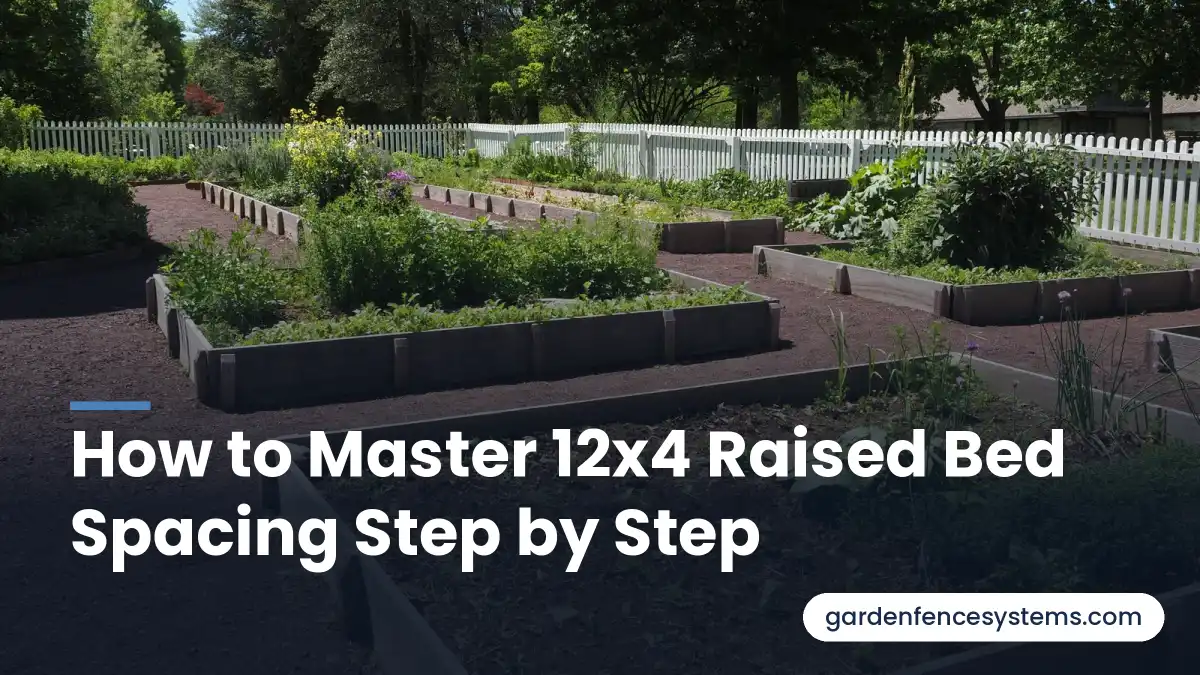
How to Master 12×4 Raised Bed Spacing Step by Step
As an Amazon Associate we earn from qualifying purchases. Guides are for general information; always check your owner's manual and consult a qualified mechanic when unsure.
A 12×4 raised bed gives you solid growing space. You get 48 square feet to work with. That size fits a good mix of crops. But you need a plan. Good 12×4 raised bed spacing starts with a simple grid.
You must think about reach and walkways. A 4-foot width lets you reach the center. You do not need to step on the soil. That keeps the soil loose and healthy. Always follow official safety and maintenance guidelines for best results.
The 12-foot length lets you grow long rows. You can fit many plants in a small space. Start by drawing your bed on paper. Mark the 4-foot width and 12-foot length. Then split the bed into 1-foot squares. This grid helps you place each plant. You can see how many plants fit in each row. It also shows you where paths go.
Use a 1-foot grid as your base map. This makes spacing easy to see. You can shift plants around on paper first. It saves time and stops mistakes later.
How Bed Orientation and Access Paths Dictate Your Spacing Grid
The way you set the bed changes your spacing. A north-south run gets the most sun. Both sides of the bed get equal light. East-west beds can cast shadows on each other. That shade can slow plant growth in the back rows.
Access paths are just as key. You need paths on both sides of the bed. A 2-foot path works well for most gardeners. It lets you work without stepping on soil. Tight paths cause soil compaction. Loose soil holds water and air. Compacted soil blocks root growth.
Think about your yard shape too. A long 12-foot side may face a fence. Put the 12-foot side along the fence. This saves space and keeps the bed tight. A 4-foot side facing your walking path gives you good access. You can reach all parts of the bed with ease.
- North-South Run: Place the 12-foot length north to south for full sun on both sides.
- Path Space: Keep paths at 18 to 24 inches wide to avoid stepping on soil.
- Edge Check: Put the 12-foot side along a fence or wall to save yard space.
- Wheelbarrow Fit: Make sure your wheelbarrow can pass through paths without scraping the bed edges.
- Sun Map: Watch your yard sun for a day. Place the bed where it gets 6 to 8 hours of light.
Crop-Specific Spacing Rules for a 12×4 Raised Bed
Different plants need different space. A 12×4 raised bed spacing plan must match each crop. Tomatoes need 18 to 24 inches per plant. They grow big and need room to breathe. Carrots need much less space. You can plant them close in a 3-inch band. Lettuce and spinach fit in a 6-inch grid.
You can mix crops in the same bed. But you must plan the spacing. A tomato plant needs the same space as 9 lettuce heads. That is a big difference. You can fit 16 lettuce plants in one square foot. You can fit only 1 tomato plant in that same space. Think about your harvest goals when you plan.
Root crops like radishes and beets need thin rows. You can sow seeds in a 4-inch band. Leafy greens do well in tight blocks. Bush beans need about 4 inches between plants. Pole beans need more room for their vines. Check each seed packet for the right spacing.
- Tomatoes: Space each plant 18 to 24 inches apart in the 12×4 raised bed spacing grid.
- Carrots: Sow seeds in a 3-inch band and thin to 2 inches between plants.
- Lettuce: Plant heads 6 inches apart in a 12-square-foot block for a quick harvest.
- Bush Beans: Allow 4 inches between plants in rows that are 18 inches apart.
- Root Crops: Thin beets and radishes to 3 inches apart once they sprout.
Companion Planting and Intensive Spacing Strategies
Companion planting helps you use space better. Some plants grow well together. They share nutrients or block pests. Basil planted near tomatoes can boost flavor. It may also keep some bugs away. You can pack more plants into a 12×4 raised bed spacing plan with smart pairings.
Intensive planting means no empty soil. You fill every square foot with a crop. This method stops weeds from growing. It also keeps the soil cool and moist. But you must watch for disease. Tight plants can block airflow. That can spread mold and fungus. Keep an eye on your plants.
Use a rotation plan for each bed. Do not plant the same crop family in the same spot. Tomatoes, peppers, and potatoes are in the same family. Rotate them to a new square each year. This stops soil-borne diseases from building up. It also keeps the soil balanced and rich.
- Basil and Tomato: Plant basil near tomatoes to help with flavor and pest control.
- No Empty Space: Fill each square foot with a crop to block weeds and save room.
- Airflow Watch: Keep plants pruned and spaced so air moves freely and stops mold.
- Crop Rotation: Move plant families to new squares each year to keep soil healthy.
- Trap Crops: Plant radishes or nasturtiums near main crops to lure pests away.
Soil Depth, Root Zones, and Spacing Adjustments
Your bed depth shapes how far apart plants sit. Shallow soil limits root spread. Deep soil lets roots grow freely. You must match crop needs to your bed fill.
A 12×4 raised bed spacing plan must account for the soil column below the surface. Many gardeners fill beds with 8 to 12 inches of mix. That depth works for lettuce, herbs, and radishes.
But carrots, tomatoes, and deep-rooted squash need 18 inches or more. When roots hit compacted ground or a hard pan, they splay outward. This pushes plants wider apart than seed packets suggest.
- Shallow Beds (6-8 in): Stick to greens, bush beans, and radishes. These crops have short root systems. They stay healthy in limited soil depth.
- Medium Beds (10-12 in): Grow peppers, bush cucumbers, and compact herbs. This depth gives enough room for most common veggies.
- Deep Beds (14-18 in): Plant tomatoes, squash, and carrots here. Deep soil lets roots push down and spread without stress.
- Soil Mix Choice: Use a light blend of compost, topsoil, and coarse vermiculite. Heavy garden soil compacts fast and blocks root growth.
You can add a layer of broken clay pots or coarse gravel at the bed bottom. This helps drainage in deep beds. Good drainage stops root rot. Healthy roots mean you can stick to your planned 12×4 raised bed spacing grid without guesswork.
Common Spacing Mistakes and How to Fix Them
Overcrowding is the top mistake new growers make. They squeeze too many plants into one square foot. Plants then fight for light, water, and nutrients. Leaves stay wet too long. That invites mold and pests. Another error is ignoring the path width between beds. You need at least 18 to 24 inches to kneel or wheel a cart.
Many folks also copy spacing from in-ground rows. A 12×4 raised bed spacing setup works differently. The walls hold soil in place. You can plant tighter in a grid. But you still need air flow between leaves.
Check the mature width of each plant. Then space them at that width, not the seedling size. A small tomato start looks tiny. But it will fill a 2-foot span at maturity.
- Overcrowded Grids: Pull excess seedlings early. Snip at soil level. Do not tug. You may harm the roots of kept plants.
- Ignoring Mature Size: Read the plant tag. Look for the “spread” or “mature width” number. Space plants at that point, not the seedling size.
- No Access Paths: Leave 2 feet between beds. That lets you reach the center of a 4-foot bed from either side.
- Fixed Spacing Plans: Shift your layout each season. Move heavy feeders to last year’s light feeder spots. This keeps soil balanced.
Fixing spacing errors early saves a lot of heartache later. A quick look at your plants each week helps. You will spot leggy growth or yellow leaves fast. Then you can thin or shift pots right away.
Tools and Templates for Mapping 12×4 Raised Bed Spacing
Graph paper and a ruler work great for planning. Draw each square foot as one cell. Then mark where each crop goes. You can also use free online garden planners. These tools let you drag and drop plant icons onto a 12×4 grid. They warn you if plants are too close. Some apps even show shade patterns from tall crops.
Physical templates save time when you sketch plans on site. A simple 4-foot by 12-foot plywood sheet works. Draw a grid on it with a marker. You can hold it over your bed and test layouts. This helps you see sun paths and access paths. It also stops you from planting too many of one crop in one spot.
- Graph Paper Grid: Use 1 square = 1 foot. Draw the full 12×4 outline first. Then fill in each crop block.
- Digital Garden Planners: Search for free raised bed planner apps. Many let you set bed size and crop types. They auto-calculate spacing gaps.
- Plywood Template: Cut a 4×12 foot board. Draw a 1-foot grid on it. Hold it up to check sight lines and reach.
- Plant Spacing Ruler: Use a 12-inch wooden ruler with marks for each crop. It helps you place seeds at exact spots fast.
You do not need fancy gear to map your bed. A pencil, paper, and a tape measure get the job done. The key is to sketch before you plant. This stops you from moving plants later. A clear map also helps you track what grew where last year. That makes crop rotation much easier to manage.
Seasonal Rotation and Spacing Changes Across the Year
Your 12×4 raised bed spacing plan shifts with the seasons. Cool crops like spinach and peas need less space in spring. They grow fast and get harvested early. Then you swap in warm crops like beans or melons. Those vining plants need more room to sprawl. You must adjust your grid each planting wave.
Fall is a great time to reset the bed. Pull old plant debris and add fresh compost. You can fit a quick crop of radishes or lettuce in tight rows. These short-season plants fill gaps left by summer crops.
A simple rotation plan stops soil depletion. It also cuts down on pest buildup. Pests that target one crop family move on if you change what grows there each year.
- Spring Cool Crops: Plant lettuce, spinach, and peas in tight blocks. They grow fast and leave room for summer crops later.
- Summer Warm Crops: Switch to tomatoes, peppers, and squash. Space these wider to allow for full canopy spread.
- Fall Reset: Clear spent plants. Add compost. Sow quick radish or kale crops in the same grid.
- Winter Rest: Cover the bed with mulch or a cover crop. This protects the soil structure and feeds microbes.
Keep a simple log of what you planted each season. Note the spacing you used and the yield you got. Over time, you will see what spacing works best in your 12×4 raised bed spacing setup. That log becomes your best planning tool for the next year.
Comparing Bed Materials and Their Impact on Spacing
| Material | Typical Lifespan | Effect on Soil Temp | Spacing Impact |
|---|---|---|---|
| Untreated Cedar | 10-15 years | Stays cool | Allows tight root grids |
| Galvanized Steel | 20+ years | Warms soil faster | Good for heat-loving crops |
| Concrete Blocks | 20+ years | Stable, moderate | Heavy; limits bed mobility |
| Recycled Plastic | 15-20 years | Moderate warmth | Lightweight; easy to reposition |
Frequently Asked Questions
Can I Use a 12×4 Raised Bed for Intensive Square Foot Gardening?
Yes. A 12×4 bed gives you 48 square feet. You can divide it into 1-foot grids. Each grid holds one crop type. Follow the spacing chart on the seed packet. Place 1, 4, 9, or 16 plants per square foot based on their mature size. This method uses your space very well.
How Wide Should the Paths Be Between Multiple 12×4 Beds?
Keep paths at least 2 feet wide. That lets you kneel down to tend plants. It also lets a wheelbarrow pass through. If you have a larger garden, 3-foot paths are even better. Wide paths stop soil compaction from foot traffic.
Does the 12×4 Raised Bed Spacing Change for Container Gardening?
Container setups are different. A single 12×4 frame on a balcony may need extra support. The weight of wet soil is heavy. Check your deck or balcony weight limits first. You may need to use lighter potting mix instead of garden soil.
What Crops Should I Avoid in a Shallow 12×4 Raised Bed?
Avoid deep-rooted crops like full-size corn or large squash in beds under 10 inches. These plants need more soil depth. Stick to shallow-rooted greens, herbs, and radishes if your bed fill is thin. You can still grow a lot of food in a small space.
How Often Should I Replan My 12×4 Raised Bed Spacing Layout?
Replan at the start of each growing season. Shift crop families to new squares. This stops soil-borne diseases from building up. It also balances nutrient use. A quick sketch on graph paper takes just a few minutes each spring.
Final Thoughts and Next Steps
A 12×4 raised bed spacing setup gives you a strong base for a productive garden. You get a manageable bed size. The 4-foot width lets you reach the center from both sides. The 12-foot length gives you room for diverse crop blocks. Start by mapping your bed on paper.
Choose your crops. Then set a spacing grid that matches each plant’s needs. Keep paths clear. Watch your plants grow. Adjust as the season moves forward.
Good spacing is not a fixed rule. It is a living plan that shifts with your soil, your crops, and your local climate. You will learn what works best in your own setup over time. Keep notes.
Try new layouts each year. You will see better harvests and healthier plants. That is the real payoff of a well-planned 12×4 raised bed spacing system. Now grab your tape measure and start your next layout.